How Much Does a Home Wind Turbine Save on Energy Bills?
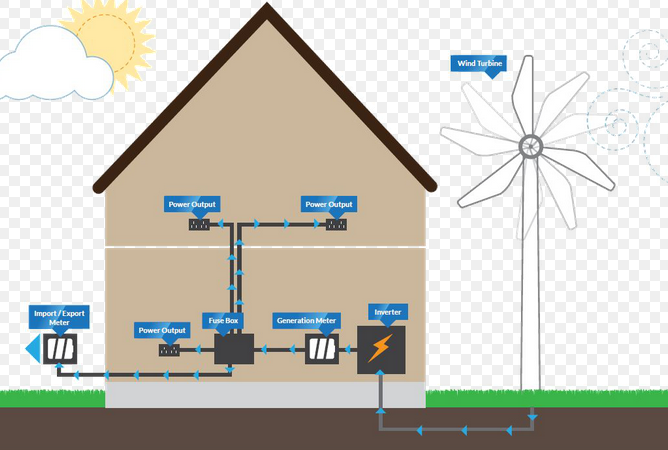
Tired of watching your energy bills climb with every gust of wind outside your window? What if you could harness that very wind to power your home and dramatically reduce, or even eliminate, your electricity costs? The dream of energy independence is closer than you think.
Understanding the potential savings from a home wind turbine is a crucial step towards a sustainable future. As homeowners explore alternative energy sources, wind power emerges as a compelling option, offering both environmental benefits and long-term financial advantages.
Before diving into the specifics of cost savings, take a moment to assess your property’s wind potential. Use online wind resource maps or consult with a local wind energy expert to determine if your location is suitable for a small wind turbine system. This initial assessment will lay the foundation for realistic expectations and informed decisions.
How Much Can a Home Wind Turbine Save You?
The amount a home wind turbine saves on your energy bills varies considerably based on several key factors: your average wind speed, the size and efficiency of the turbine, your energy consumption habits, and local electricity rates. Unlike solar energy, which is fairly predictable based on sunlight hours, wind energy is more variable, requiring careful evaluation.
Generally, a well-placed residential wind turbine can offset a significant portion of your electricity consumption. Some homeowners report savings of 50% or more, while others might see a more modest reduction of 10-30%. The key is optimizing the system for your specific needs and location.
To illustrate, let's consider a hypothetical scenario: Homeowner: Lives in a rural area with average wind speeds of 12 mph. Electricity Consumption: Uses 10,000 k Wh per year. Electricity Rate: Pays $0.15 per k Wh. Turbine: Installs a 5k W turbine with an estimated annual output of 6,000 k Wh.
In this scenario, the turbine would offset 60% of the homeowner's electricity consumption, resulting in an annual savings of $900 (6,000 k Wh x $0.15/k Wh). Over the lifespan of the turbine (typically 20-30 years), this can translate into substantial long-term savings.
However, it's crucial to factor in the initial investment cost, maintenance expenses, and potential permitting fees when calculating the overall return on investment.
Understanding the Factors That Affect Savings
Several factors influence how much a home wind turbine can save on your energy bills. These include: Wind Speed: Higher average wind speeds translate to greater energy production. Areas with consistent, strong winds are ideal for wind turbines. Turbine Size and Efficiency: Larger turbines generally produce more electricity, but they also require more space and investment. The turbine's efficiency rating indicates how effectively it converts wind energy into electricity. Energy Consumption: Homes with higher energy consumption will benefit more from a wind turbine. Reducing your overall energy usage through energy-efficient appliances and practices can maximize the savings potential. Electricity Rates: Higher electricity rates make wind turbines a more attractive investment. Areas with expensive electricity can see a faster return on investment. Net Metering: Net metering policies allow homeowners to sell excess electricity back to the grid, further increasing savings. Check your local utility's net metering program to see if it's available in your area. Incentives and Rebates: Federal, state, and local incentives can significantly reduce the upfront cost of a wind turbine. Explore available tax credits, rebates, and grants to make wind energy more affordable. Turbine Height:Taller towers often capture stronger and more consistent winds. However, tower height can impact permitting requirements and overall project cost.
People Also Ask: What is the Ideal Wind Speed for a Home Wind Turbine?
The ideal average wind speed for a home wind turbine is typically considered to be around 12 mph or higher. However, even locations with slightly lower average wind speeds can still benefit from wind energy, especially if the turbine is strategically placed to capture the strongest winds available. It's best to conduct a thorough wind assessment to determine the actual wind potential at your specific location.
Calculating the Cost of a Home Wind Turbine System
The "home wind turbine cost" encompasses more than just the turbine itself. It includes: Turbine Purchase Price: Small wind turbines typically range from $3,000 to $8,000 for a 1k W to 10k W system. Tower Costs: Towers can range from $1,000 to $10,000 depending on height and type. Installation Costs: Professional installation can add another $1,000 to $5,000 to the total cost. Permitting Fees: Local permitting fees vary depending on location and turbine size. Electrical Components:Inverters, batteries (if needed for off-grid systems), wiring, and other electrical components can add to the overall expense.
A complete, installed "residential wind energy" system can range from $10,000 to $50,000 or more, depending on the size and complexity of the project.
DIY Wind Power: Is It Feasible?
While "DIY wind power" is possible, it requires considerable technical knowledge, skill, and dedication. Building your own wind turbine can save money on the initial investment, but it also comes with risks. Ensuring the turbine is properly engineered, installed, and maintained is crucial for safety and performance. If you're considering a DIY approach, thoroughly research the process, acquire the necessary skills, and prioritize safety above all else. Consider consulting with a wind energy professional for guidance and advice.
Maximizing Your Savings with Proper Maintenance
Regular maintenance is essential for maximizing the lifespan and performance of your home wind turbine. A well-maintained turbine will produce more electricity and require fewer repairs, leading to greater long-term savings.
Here are some key maintenance tasks: Regular Inspections: Inspect the turbine blades, tower, and electrical connections for any signs of damage or wear. Lubrication: Lubricate moving parts, such as bearings and gears, according to the manufacturer's recommendations. Bolt Tightening: Periodically check and tighten all bolts to prevent loosening due to vibrations. Blade Cleaning: Clean the turbine blades to remove any dirt or debris that can reduce their efficiency. Professional Servicing:Schedule professional servicing at least once a year to ensure the turbine is operating optimally and to address any potential issues.
Neglecting maintenance can lead to reduced energy production, costly repairs, and even premature failure of the turbine.
Off-Grid Wind Systems: Achieving Energy Independence
For homeowners seeking complete energy independence, "off-grid wind systems" offer a viable solution. These systems typically include a wind turbine, batteries for energy storage, and an inverter to convert the direct current (DC) electricity from the turbine into alternating current (AC) electricity for household use.
Off-grid wind systems can be more expensive than grid-tied systems, as they require batteries and other specialized equipment. However, they offer the ultimate in energy independence, allowing you to disconnect from the grid and rely entirely on renewable energy.
Before committing to an off-grid system, carefully assess your energy needs and consumption patterns. Ensure that the wind turbine and battery system are sized appropriately to meet your electricity demands, even during periods of low wind.
People Also Ask: How Long Do Home Wind Turbines Last?
The lifespan of a home wind turbine typically ranges from 20 to 30 years, provided it is properly maintained and operated within its design parameters. Factors such as wind conditions, maintenance practices, and the quality of the turbine itself can affect its lifespan. Regular inspections and timely repairs can help extend the life of your wind turbine and maximize your return on investment.
Wind Turbine Installation: Choosing the Right Approach
"Wind turbine installation" is a critical step in ensuring the success of your wind energy project. You have two main options: professional installation or DIY installation.
Professional Installation: Hiring a qualified wind turbine installer ensures that the turbine is properly installed, wired, and connected to the grid (if applicable). Professional installers have the experience and expertise to handle all aspects of the installation process, including permitting, site preparation, and electrical connections. DIY Installation: DIY installation can save money, but it requires significant technical skills and knowledge. If you choose to install the turbine yourself, carefully follow the manufacturer's instructions and consult with a wind energy professional for guidance. Be sure to obtain all necessary permits and inspections before beginning the installation process.
Choosing the right approach depends on your skills, budget, and comfort level. If you're unsure about any aspect of the installation process, it's always best to hire a professional.
The Future of Small Wind Energy for Homes
"Small wind energy for homes" is poised for continued growth as homeowners seek sustainable and cost-effective energy solutions. Advancements in turbine technology, such as quieter and more efficient designs, are making wind energy more appealing to a wider range of homeowners.
Government incentives and increasing awareness of the environmental benefits of wind energy are also driving adoption. As electricity prices continue to rise, the economic benefits of home wind turbines will become even more compelling.
What are the Main Advantages of Home Wind Energy?
The main advantages of home wind energy include reduced energy bills, energy independence, environmental benefits (reduced carbon emissions), and potential for net metering revenue. It's a sustainable way to power your home and contribute to a cleaner energy future.
Investing in a home wind turbine is a significant decision that requires careful planning and consideration. By understanding the factors that affect savings, calculating the cost of the system, and committing to proper maintenance, you can maximize the benefits of wind energy and take control of your energy future. With a little research and effort, harnessing the power of the wind can become a reality for your home, saving you money and helping to create a more sustainable world.
Post a Comment for "How Much Does a Home Wind Turbine Save on Energy Bills?"