Beginner’s Guide to Home Wind Turbines: How They Work and What to Expect
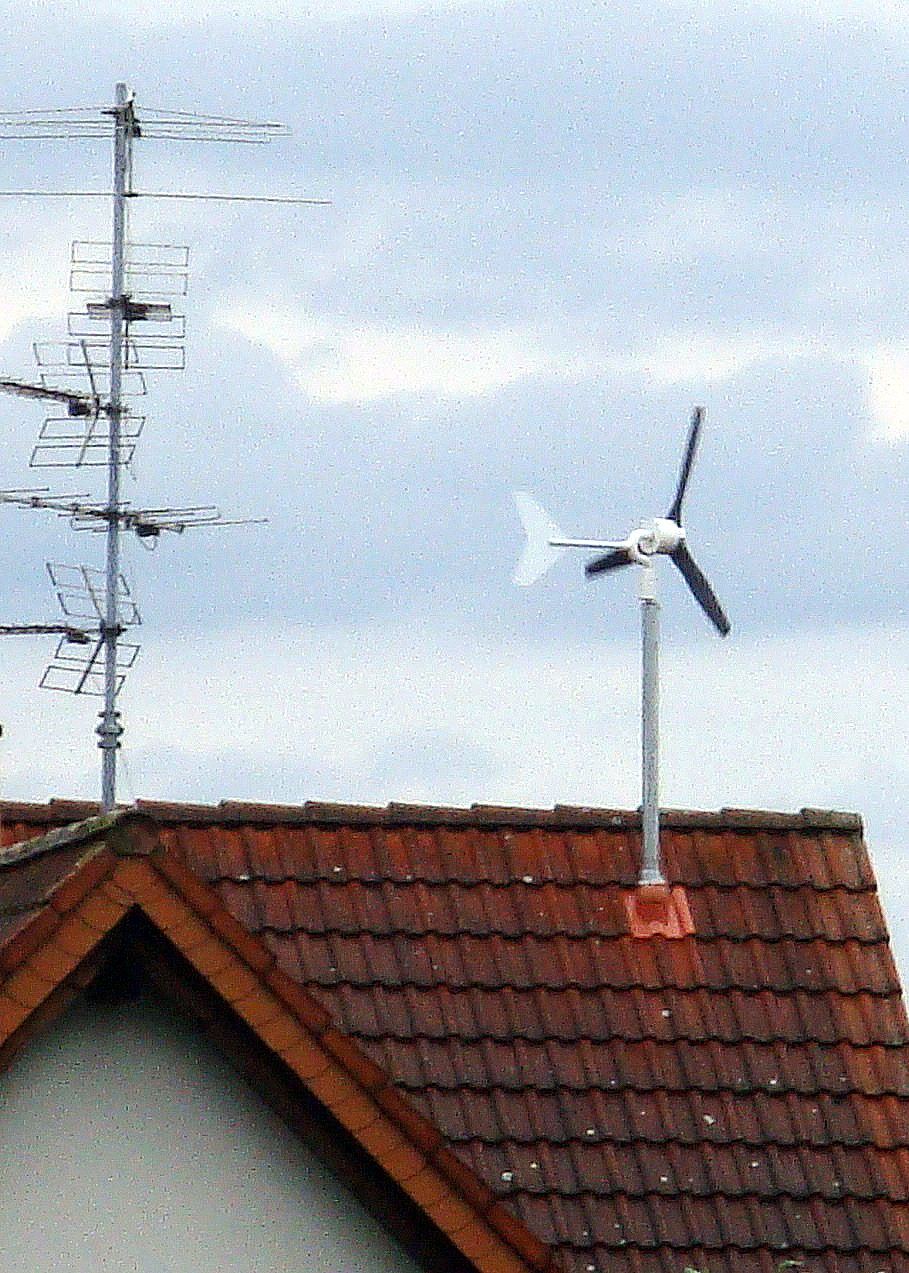
Imagine powering your home with the free and endless energy of the wind. As energy costs rise and environmental concerns deepen, homeowners are increasingly exploring renewable options. Could a home wind turbine be the answer to your energy needs?
The potential of residential wind energy is more than just an eco-friendly badge of honor. It’s about energy independence, reducing your carbon footprint, and potentially lowering your electricity bills. Understanding how these systems work is the crucial first step towards harnessing this powerful resource.
Before you even start researching specific models, take a close look at your property. Are there tall trees or nearby buildings that could obstruct the wind? Open, unobstructed land is key to a successful wind turbine installation.
Beginner’s Guide to Home Wind Turbines: How They Work and What to Expect
Home wind turbines, also known as residential wind turbines or small wind energy systems, are designed to convert the kinetic energy of the wind into electricity that can power your home. Unlike large-scale wind farms, these turbines are scaled down for individual residential use. They offer a compelling option for homeowners looking to reduce their reliance on traditional power grids and embrace a greener lifestyle.
Understanding the Components of a Home Wind Turbine System
A typical home wind turbine system consists of several key components working in harmony: Rotor Blades: These are the most visible part of the turbine and are responsible for capturing the wind's energy. The shape and number of blades influence the turbine’s efficiency. Most residential turbines have two or three blades. Nacelle: This housing sits atop the tower and contains the generator, gearbox (if present), and other critical components. The nacelle rotates to keep the blades facing the wind. Generator: This is the heart of the system. It converts the mechanical energy from the rotating blades into electrical energy. Tower: The tower elevates the turbine, placing it in a location with stronger and more consistent winds. Tower height is a crucial factor in performance. Inverter: This converts the direct current (DC) electricity generated by the turbine into alternating current (AC) electricity, which is compatible with most household appliances and the utility grid. Controller: This manages the overall operation of the system, including starting and stopping the turbine, monitoring performance, and protecting the system from damage during high winds. Battery Bank (Optional): If you plan to use the wind turbine for off-grid power or as a backup power source, a battery bank stores the excess electricity generated. Wiring and Safety Disconnects: Essential for safely connecting the turbine to your home's electrical system and isolating it for maintenance.
How Does a Home Wind Turbine Generate Electricity?
The process is relatively straightforward:
1.Wind Capture: The wind blows against the rotor blades, causing them to rotate.
2.Mechanical Energy Conversion: The rotating blades turn a shaft connected to the generator, either directly or through a gearbox that increases the speed of rotation.
3.Electrical Energy Generation: The generator uses electromagnetic induction to convert the mechanical energy into electrical energy in the form of direct current (DC).
4.DC to AC Conversion: The inverter converts the DC electricity into alternating current (AC) electricity, which is the standard form of electricity used in homes.
5.Electricity Distribution: The AC electricity is then used to power your home’s appliances and lighting. Excess electricity can be fed back into the utility grid, depending on your local regulations and net metering agreements.
Types of Home Wind Turbines
There are two main types of wind turbines commonly used in residential settings: Horizontal Axis Wind Turbines (HAWT): These are the most familiar type, with blades that rotate around a horizontal axis. They are typically more efficient and generate more electricity than vertical axis turbines. However, they require a yaw mechanism to keep the blades facing the wind and are generally larger and more expensive. Vertical Axis Wind Turbines (VAWT): These turbines have blades that rotate around a vertical axis. They can accept wind from any direction without needing a yaw mechanism, making them simpler in design. They are often smaller and quieter than HAWTs, but generally less efficient. Darrieus (eggbeater-shaped) and Savonius (S-shaped) are common VAWT designs.
Factors to Consider Before Installing a Home Wind Turbine
Before investing in a home wind turbine, it’s important to consider several key factors: Wind Resource Assessment: This is the most critical factor. You need to determine the average wind speed at your location. A professional wind assessment can provide accurate data, or you can use online wind maps and anemometers to gather your own data. Generally, you need an average wind speed of at least 9 mph for a small wind turbine to be effective. Local Zoning Regulations and Permits: Many jurisdictions have zoning regulations that restrict the height and placement of wind turbines. You will likely need to obtain permits before installing a turbine. Researching these regulations early in the process can save you time and money. Turbine Size and Power Output: Choose a turbine that is appropriately sized for your energy needs. Consider your average electricity consumption and the amount of electricity you want to generate from the wind. Grid-Tied vs. Off-Grid System: Decide whether you want to connect your turbine to the utility grid (grid-tied) or operate independently (off-grid). Grid-tied systems allow you to sell excess electricity back to the utility company, while off-grid systems require battery storage. Cost: The home wind turbine cost can vary widely depending on the size, type, and installation complexity. Consider the upfront cost of the turbine, installation costs, and ongoing maintenance costs. Maintenance: Wind turbines require periodic maintenance, including inspecting the blades, lubricating moving parts, and checking electrical connections. Factor in the cost of maintenance when evaluating the overall cost of the system.
Wind Turbine Installation: DIY or Professional?
While some homeowners may be tempted to tackle wind turbine installation as a DIY project, it’s generally recommended to hire a qualified professional. Wind turbine installation involves working with electricity at heights, which can be dangerous. A professional installer will have the expertise to ensure the turbine is installed safely and correctly, maximizing its performance and longevity.
However, if you're an experienced DIY enthusiast with a strong understanding of electrical systems and safety protocols, a small, well-documented system might be manageable. Proceed with extreme caution and consult with electrical and structural engineers as needed. Thoroughly research local codes and permitting requirementsbeforeyou begin any work.
Cost Considerations: What to Expect
The home wind turbine cost can vary greatly depending on several factors: Turbine Size and Type: Smaller turbines typically cost less than larger ones. VAWTs may be less expensive than HAWTs of similar power output. Tower Height: Taller towers cost more due to the increased materials and installation complexity. Installation Costs: These costs can vary depending on the complexity of the installation, the location of the turbine, and the labor rates in your area. Permitting Fees: Local jurisdictions may charge fees for permits and inspections. Grid Interconnection Costs: If you are connecting your turbine to the grid, you may incur costs for upgrades to your electrical panel and interconnection equipment. Battery Storage (for off-grid systems): Batteries can add significant cost to the system.
As a rough estimate, a small wind turbine system for a home can range from \$5,000 to \$50,000 or more, installed. A 10k W system, which is a common size for residential use, might cost between \$40,000 and \$80,000, including installation. Keep in mind that these are just estimates, and the actual cost can vary significantly.
Potential Savings and Incentives
While the initial investment can be substantial, a wind turbine can save you money on your electricity bills over the long term. You may also be eligible for federal, state, or local tax credits, rebates, and other incentives that can help offset the cost of the system. The Database of State Incentives for Renewables & Efficiency (DSIRE) is a valuable resource for finding incentives in your area.
Maintenance Tips for Home Wind Turbines
Regular maintenance is essential for ensuring the long-term performance and reliability of your wind turbine. Here are some basic maintenance tasks: Visual Inspections: Regularly inspect the blades, tower, and nacelle for any signs of damage, such as cracks, corrosion, or loose bolts. Lubrication: Lubricate moving parts, such as bearings and gears, according to the manufacturer's recommendations. Torque Checks: Periodically check the torque of bolts and fasteners to ensure they are properly tightened. Electrical Checks: Inspect electrical connections for corrosion or loose wiring. Professional Servicing:Schedule regular professional servicing by a qualified technician to perform more in-depth inspections and maintenance.
How often you need to perform maintenance will depend on the specific turbine model and the environmental conditions in your area. Refer to the manufacturer's manual for detailed maintenance instructions.
Is a Home Wind Turbine Right for You?
Deciding whether a home wind turbine is right for you requires careful consideration of your energy needs, your location's wind resource, your budget, and your local regulations. If you have a good wind resource, are committed to renewable energy, and are willing to invest in a well-maintained system, a home wind turbine can be a worthwhile investment.
People Also Ask:
How much electricity can a home wind turbine generate?
The amount of electricity a home wind turbine can generate depends on its size, the average wind speed at your location, and the turbine's efficiency. A typical 5k W turbine can generate enough electricity to power a small home in a windy location, while a 10k W turbine can power a larger home or even offset some of the electricity consumption of a small business.
How noisy are home wind turbines?
Modern home wind turbines are designed to be relatively quiet. However, some noise is inevitable, especially in high winds. Choose a turbine that is designed for quiet operation and install it in a location that minimizes noise impact on your neighbors. VAWTs are generally quieter than HAWTs.
What are the environmental impacts of home wind turbines?
Home wind turbines have a relatively small environmental impact compared to traditional fossil fuel-based power generation. They do not produce air pollution or greenhouse gas emissions during operation. However, there are some potential environmental impacts to consider, such as visual impacts, noise pollution, and potential impacts on birds and bats.
Are there government incentives for installing a home wind turbine?
Yes, there are several government incentives available for installing home wind turbines. These incentives can include federal tax credits, state rebates, and local grants. Check the DSIRE (Database of State Incentives for Renewables & Efficiency) website for information on incentives in your area.
How long do home wind turbines last?
With proper maintenance, a home wind turbine can last for 20 years or more. However, the lifespan of the turbine will depend on the quality of the components, the environmental conditions in your area, and the level of maintenance provided.
Taking the leap towards residential wind energy might seem daunting, but with the right knowledge and preparation, you can tap into a clean, sustainable energy source and significantly reduce your reliance on traditional power. Embrace the power of the wind – your journey towards energy independence starts now!
Post a Comment for "Beginner’s Guide to Home Wind Turbines: How They Work and What to Expect"