Step-by-Step Guide to Small Wind Turbine Tower Installation
Imagine harnessing the free, consistent power of the wind to slash your electricity bills and shrink your carbon footprint. Small wind turbines are becoming an increasingly attractive option for homeowners seeking energy independence and a greener lifestyle, but the tower installation can seem like a daunting task.
Successfully erecting a wind turbine tower is crucial for maximizing energy production and ensuring the longevity of your system. A properly installed tower positions the turbine at the optimal height to capture stronger, less turbulent winds, leading to greater energy generation and a quicker return on your investment. Plus, safety is paramount – a well-built tower guarantees the structural integrity of your entire wind energy system, protecting your property and community.
Before you even consider breaking ground, investigate local zoning regulations and permitting requirements. Many municipalities have specific rules regarding the height and placement of wind turbines. Failing to comply can lead to costly fines and project delays. Start the permit application process early, as it can often be lengthy.
Step-by-Step Guide to Small Wind Turbine Tower Installation
Installing a small wind turbine tower requires careful planning, precision, and adherence to safety protocols. This guide provides a comprehensive, step-by-step approach to help you navigate the process successfully. Keep in mind that this is a complex undertaking and professional installation isalwaysrecommended. If you're determined to DIY, proceed with extreme caution and prioritize safety above all else.
Phase 1: Planning and Preparation
1.Site Assessment: Conduct a thorough site assessment to determine the optimal tower location. Consider factors such as wind speed and direction, proximity to obstructions (trees, buildings), soil conditions, and access for equipment. A professional wind assessment can provide valuable data to inform your decision.
2.Tower Selection: Choose a tower that is appropriate for your wind turbine and site conditions. Common types include: Guyed Towers:These are the most common and often the most cost-effective. They rely on guy wires anchored to the ground for stability. They require a larger footprint.
Self-Supporting Towers: These towers stand on their own without guy wires. They have a smaller footprint but are typically more expensive.
Tilt-Up Towers: These towers can be raised and lowered easily, simplifying maintenance.
3.Permitting and Approvals: Obtain all necessary permits and approvals from your local authoritiesbeforestarting any work. This may involve submitting detailed plans, engineering reports, and environmental impact assessments.
4.Tool and Equipment Gathering: Assemble all the necessary tools and equipment. This includes: Tower components
Concrete (if applicable)
Rebar (if applicable)
Anchor bolts
Level
Measuring tape
Wrenches
Sockets
Torque wrench
Crane or lifting equipment (depending on tower size)
Safety gear (hard hats, safety glasses, gloves, harnesses)
5.Foundation Preparation: The foundation is the most critical part of the tower installation. Follow the manufacturer's specifications carefully. This typically involves: Excavating the foundation area to the required depth and dimensions.
Installing rebar reinforcement (if required).
Pouring concrete and setting anchor bolts.
Allowing the concrete to cure completely before proceeding.
Phase 2: Tower Assembly and Erection
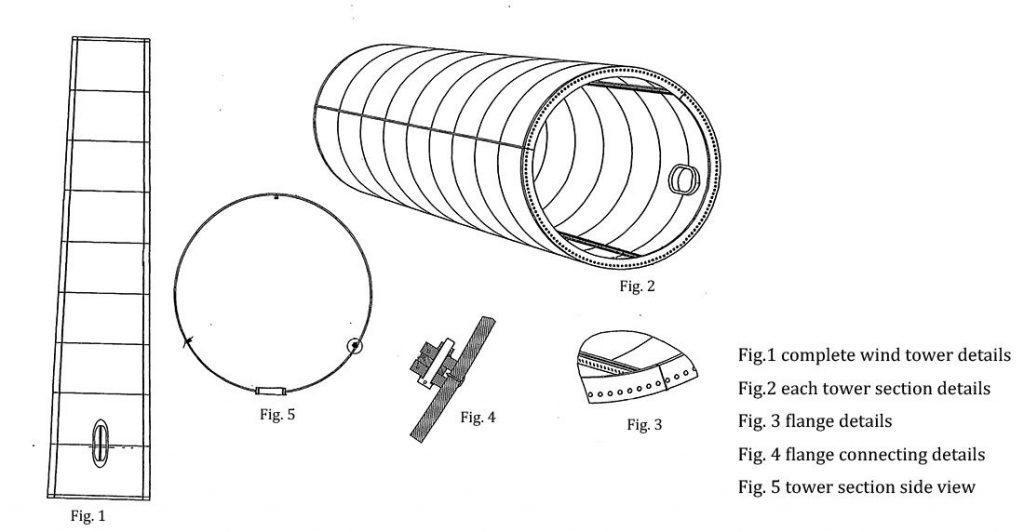
1.Tower Assembly: Assemble the tower sections on the ground according to the manufacturer's instructions. Ensure all connections are properly tightened and secured.
2.Guy Wire Installation (if applicable): Install the guy wire anchors at the correct distance from the tower base. Tension the guy wires evenly to provide stability. Use a turnbuckle to adjust the tension.Incorrect guy wire tension can cause the tower to collapse.
3.Tower Erection: This is the most critical and potentially dangerous step. Use a crane or other lifting equipment to carefully raise the tower into its vertical position. Ensure the tower is plumb (perfectly vertical) before securing it to the foundation. Professional crane operation is highly recommended.
4.Turbine Installation: Once the tower is erected and secured, install the wind turbine according to the manufacturer's instructions. This typically involves attaching the turbine to the tower's mounting flange and connecting the electrical wiring.
5.Electrical Connections: Connect the wind turbine to your electrical system. This may involve running underground cables to your home's electrical panel and installing a grid-tie inverter.This work should be performed by a qualified electrician.
Phase 3: Testing and Commissioning
1.System Testing: After installation, test the entire system to ensure it is functioning correctly. This includes checking the turbine's output voltage, inverter operation, and grid connection.
2.Monitoring: Monitor the performance of your wind turbine system regularly to identify any potential problems. Track energy production, wind speed, and turbine operation.
3.Maintenance: Perform regular maintenance to keep your wind turbine system operating efficiently. This includes inspecting the turbine blades, tower, guy wires (if applicable), and electrical connections.
FAQs About Small Wind Turbine Tower Installation
How much does it cost to install a small wind turbine tower?
The cost of installing a small wind turbine tower varies depending on several factors, including the tower height, type, and complexity of the installation. Guyed towers are generally less expensive than self-supporting towers. Professional installation can add significantly to the cost, but is strongly advised. A complete small wind turbine system, including the turbine, tower, and installation, can range from $3,000 to $8,000 per kilowatt of capacity. For a 10k W system, this could mean a total project cost of $30,000 to $80,000.
Do I need planning permission to install a wind turbine tower?
Yes, almost certainly. Most local authorities require planning permission for wind turbine installations. The specific requirements vary depending on your location and the size of the turbine. Be sure to check with your local planning department before starting any work. Factors that influence planning permission include tower height, noise levels, visual impact, and proximity to property lines.
How long does a wind turbine tower last?
A well-maintained wind turbine tower can last for 20-30 years or more. However, the lifespan can be affected by factors such as wind conditions, climate, and maintenance practices. Regular inspections and preventative maintenance can help extend the lifespan of your tower.
What are the safety precautions I should take during wind turbine tower installation?
Safety should be your top priority during wind turbine tower installation. Wear appropriate safety gear, including hard hats, safety glasses, gloves, and harnesses. Use proper lifting equipment and follow the manufacturer's instructions carefully. Never work alone and always have a qualified professional supervise the installation. Be especially cautious when working at heights. It is highly recommended to hire a professional installation team.
Can I install a wind turbine tower myself?
While it is possible to install a small wind turbine tower yourself, it is a complex and potentially dangerous task. It requires specialized knowledge, skills, and equipment. Unless you have extensive experience with construction and electrical work, it is best to hire a professional installer. A professional installation will ensure that the tower is installed safely and correctly, maximizing its performance and lifespan. Plus, professional installers often offer warranties and guarantees, providing added peace of mind.
Harnessing the power of the wind requires careful planning and execution, especially when it comes to tower installation. By following these steps and prioritizing safety, you can confidently embark on your journey towards sustainable energy and enjoy the long-term benefits of residential wind energy. Even if you choose professional installation, understanding the process will empower you to make informed decisions and ensure the job is done right. You’ve got this!
Post a Comment for "Step-by-Step Guide to Small Wind Turbine Tower Installation"