How to Sell Excess Energy From a Wind Turbine to the Grid
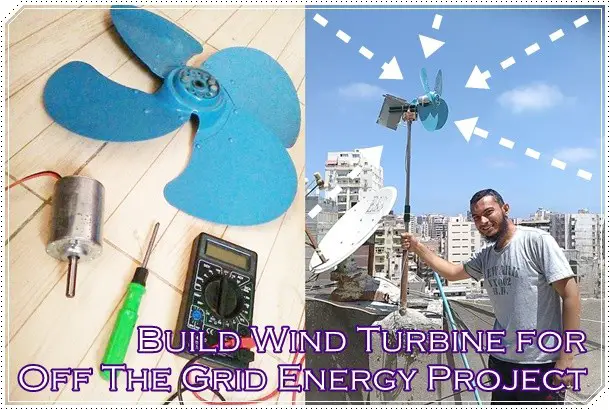
Imagine harnessing the wind whistling across your property, not just for a cleaner conscience, but for potential income. Generating your own electricity through residential wind energy is becoming increasingly accessible, but what happens when your turbine produces more power than you need? The answer: selling that excess energy back to the grid.
Selling excess energy from your home wind turbine isn’t just about recouping your investment in renewable energy; it’s about actively participating in a more sustainable energy future. By feeding your surplus electricity back into the grid, you reduce reliance on fossil fuels, support the development of cleaner energy infrastructure, and potentially lower energy costs for your neighbors.
Before you get too far ahead, take a close look at your state and local regulations regarding interconnection. These rules often dictate the specific equipment required, the application process, and the compensation rate you can expect for your excess energy.
How to Sell Excess Energy From a Wind Turbine to the Grid
The process of selling excess wind energy involves several key steps, from initial planning and installation to navigating legal agreements and understanding metering requirements. Let’s break down the journey:
1. Assess Your Energy Needs and Turbine Size
Before you even think about grid connection, understand your home’s energy consumption. Analyze your past electricity bills to determine your average monthly and peak usage. This baseline helps you select the right size wind turbine for your needs. Overestimating can lead to wasted investment and unnecessary excess energy production. Underestimating, conversely, may not significantly offset your grid dependence. A professional energy audit is often the most reliable way to obtain accurate figures. Several online tools can help with preliminary estimates, but professional evaluation is highly recommended.
Consider the home wind turbine cost associated with different sizes. Smaller turbines (1-10 k W) are generally suitable for residential use and range from $5,000 to $50,000 installed, depending on factors like tower height, turbine quality, and installation complexity. Larger turbines, while capable of generating more power, often require more land and specialized permits, potentially exceeding the scope (and budget) of most homeowners.
2. Research Net Metering Policies and Interconnection Agreements
Net metering is the linchpin of selling excess energy. It’s a billing mechanism that credits homeowners for the electricity they add to the grid. When your wind turbine generates more electricity than your home consumes, the excess is sent back to the grid, and your meter essentially runs backward, reducing your electricity bill.
However, net metering policies vary significantly by state and even by utility company. Some states have mandatory net metering laws, ensuring fair compensation for homeowners. Others have voluntary programs or limited capacity, making it crucial to research the specific regulations in your area.
Interconnection agreements are legal contracts between you and your utility company that outline the terms and conditions for connecting your wind turbine to the grid. These agreements typically cover: Safety Standards: Compliance with electrical codes and safety regulations. Liability: Insurance requirements and liability for potential grid disturbances. Compensation Rate: The rate at which you will be credited for excess energy (often at the retail rate, but sometimes at a lower avoided-cost rate). Metering Requirements: The type of meter required to accurately measure energy flow. Disconnection Procedures:Protocols for disconnecting your turbine from the grid during maintenance or emergencies.
Contact your local utility company early in the process to obtain a copy of their interconnection agreement and understand their net metering policies. This step will prevent surprises and ensure a smooth grid connection process.
3. Select a Qualified Wind Turbine Installer
Wind turbine installation is not a DIY project for the faint of heart. It requires specialized knowledge of electrical systems, structural engineering, and local building codes. Engaging a qualified and experienced wind turbine installer is essential for safety, performance, and compliance.
When selecting an installer, consider the following: Certification: Look for installers certified by organizations like the Small Wind Certification Council (SWCC) or the Interstate Renewable Energy Council (IREC). Experience: Choose an installer with a proven track record of successful residential wind turbine installations in your area. References: Request references from previous customers and contact them to inquire about their experience with the installer. Insurance and Licensing: Verify that the installer is properly insured and licensed to operate in your state. Warranty:Understand the warranty coverage offered by the installer on both the turbine and the installation work.
A professional installer will handle the necessary permits, ensure proper grounding and wiring, and optimize the turbine’s performance for your specific site conditions.
4. Obtain Necessary Permits and Approvals
Before installing your wind turbine, you will likely need to obtain permits from your local government. These permits are designed to ensure that your installation meets safety standards, zoning regulations, and environmental requirements.
The permitting process can vary depending on your location, but it typically involves: Submitting Site Plans: Providing detailed drawings of your property and the proposed turbine location. Meeting Setback Requirements: Adhering to minimum distance requirements from property lines, buildings, and other structures. Addressing Noise Concerns: Complying with noise ordinances to minimize disturbance to neighbors. Environmental Impact Assessments: Evaluating potential impacts on wildlife and natural habitats.
Your wind turbine installer can often assist with the permitting process, streamlining the application and ensuring compliance with local regulations. Be prepared for potential delays and be proactive in addressing any concerns raised by the permitting authorities.
5. Install a Net Meter
A net meter is a specialized electricity meter that measures both the electricity you consume from the grid and the electricity you send back to the grid. It’s the critical component that allows you to receive credit for your excess energy.
Your utility company will typically install the net meter as part of the interconnection process. In some cases, you may be required to pay for the meter and its installation.
The net meter tracks the flow of electricity in both directions. When you consume more electricity than your turbine generates, the meter runs forward, measuring your consumption. When your turbine generates more electricity than you consume, the meter runs backward, crediting you for the excess energy sent to the grid.
6. Monitor Your Turbine’s Performance
Once your wind turbine is operational, it’s essential to monitor its performance regularly to ensure it’s functioning optimally and generating the expected amount of electricity.
Many modern wind turbines come with monitoring systems that provide real-time data on energy production, wind speed, and turbine status. This data can help you identify potential problems early on and optimize your turbine’s performance.
Track your energy production over time and compare it to your energy consumption to determine how much excess energy you are sending back to the grid. This information will help you estimate your net metering credits and assess the overall financial benefits of your wind turbine.
7. Understand Billing and Compensation
Your electricity bill will reflect the net metering credits you have earned for sending excess energy back to the grid. The exact format of the bill may vary depending on your utility company, but it will typically show: Your Total Electricity Consumption: The amount of electricity you consumed from the grid during the billing period. Your Total Electricity Generation: The amount of electricity your wind turbine generated during the billing period. Your Net Electricity Consumption: The difference between your consumption and generation (which may be a positive or negative number). Your Net Metering Credits: The dollar value of the excess energy you sent back to the grid.
Understand how your utility company calculates net metering credits. In some cases, you may be credited at the full retail rate for your excess energy. In other cases, you may be credited at a lower avoided-cost rate, which represents the utility company’s cost of generating or purchasing electricity from other sources.
8. Maintenance and Longevity
Small wind energy for homes requires a long-term commitment, including regular maintenance to ensure optimal performance and longevity. Typical maintenance tasks include: Visual Inspections: Regularly inspect the turbine blades, tower, and wiring for any signs of damage or wear. Lubrication: Lubricate moving parts, such as bearings and gears, according to the manufacturer’s recommendations. Tightening Bolts: Periodically check and tighten bolts to prevent loosening due to vibration. Professional Servicing: Schedule professional servicing every few years to inspect the turbine’s internal components and perform any necessary repairs.
Consider the long-term costs associated with maintenance when evaluating the overall economics of your wind turbine investment. A well-maintained turbine can last for 20 years or more, providing a steady stream of clean energy and net metering credits.
9. Insurance Considerations
Notify your homeowner’s insurance company about your wind turbine installation. Your existing policy may provide coverage for damage or liability related to the turbine, but you may need to increase your coverage limits or purchase a separate rider to adequately protect your investment. Discuss with your insurer the potential risks associated with wind turbines, such as damage from windstorms, lightning strikes, or structural failures.
10. Community Engagement
Consider sharing your experiences with residential wind energy with your neighbors and community. Educate others about the benefits of renewable energy and the process of connecting to the grid. Your advocacy can help promote the adoption of wind energy and other clean energy technologies in your area.
Selling excess energy from your wind turbine is a tangible way to contribute to a more sustainable energy future. By understanding the process, navigating the regulations, and properly maintaining your system, you can unlock the economic and environmental benefits of DIY wind power.
People Also Ask:
What is the typical payback period for a home wind turbine?
The payback period for a home wind turbine varies widely, depending on factors such as the turbine size, wind speed, net metering policies, and electricity prices. It can range from 10 to 25 years.
Can I go completely off-grid with a wind turbine?
While possible, going completely off-grid with a wind turbine usually requires a significant investment in battery storage and a backup power source, such as a generator or solar panels. Off-grid wind systems offer energy independence but demand careful planning.
What happens to my net metering credits if I move?
Net metering credits are typically tied to the property, not the homeowner. When you move, the credits usually remain with the property and transfer to the new owner, potentially increasing its value. Consult your utility company for their specific policy.
Post a Comment for "How to Sell Excess Energy From a Wind Turbine to the Grid"