What Size Wind Turbine Do You Need for Your House?
The dream of generating your own clean energy, whispering wind power silently transforming into usable electricity, is now more attainable than ever. But navigating the world of residential wind turbines can feel overwhelming. How do you determine the right size turbine to power your home efficiently and cost-effectively?
Choosing the correct wind turbine size is crucial for maximizing energy production, minimizing costs, and ensuring the long-term viability of your investment in renewable energy. Too small, and you won’t generate enough power to meet your needs. Too large, and you’ll face unnecessary expenses and potential grid integration challenges.
Before diving into specifics, a crucial first step is to understand your current energy consumption. Review your electricity bills over the past year to determine your average monthly and peak usage. This baseline will be the foundation for sizing your ideal home wind turbine system.
Determining Your Home Wind Turbine Needs
The journey to selecting the perfect home wind turbine begins with understanding your energy consumption and the local wind conditions. Let’s break down the key factors:1. Assess Your Energy Consumption:
Review Electricity Bills: As mentioned, this is your starting point. Calculate your average monthly kilowatt-hour (k Wh) usage. Pay attention to seasonal variations – do you use significantly more energy in the summer for air conditioning or in the winter for heating? Identify Peak Demand: Note the highest k Wh consumption in a single month. This figure is important for ensuring your wind turbine can handle periods of high energy demand. Consider Future Needs:Are you planning any major changes that will increase your energy consumption, such as adding an electric vehicle, installing a pool, or expanding your home? Factor these into your calculations.
2. Evaluate Your Local Wind Resource
Wind Speed Data: Wind turbine output is highly dependent on wind speed. The higher the average wind speed in your area, the more electricity your turbine will generate. You can access wind maps and data from sources like the National Renewable Energy Laboratory (NREL) or local weather stations. Look for average wind speeds at turbine hub height (the height of the turbine's rotor). Site Assessment: Consider the terrain surrounding your property. Obstacles like trees, buildings, and hills can disrupt airflow and reduce turbine performance. A professional site assessment can provide a more accurate evaluation of your wind resource. Turbulence:High turbulence can damage your turbine over time. An ideal location will have smooth, consistent airflow.
3. Calculate Your Energy Needs and Turbine Size
Annual Energy Consumption: Multiply your average monthly k Wh consumption by 12 to get your total annual energy consumption. Turbine Power Curve: Each wind turbine has a power curve that shows its electricity output at different wind speeds. This information is provided by the manufacturer. Capacity Factor: The capacity factor is the percentage of time that a wind turbine operates at its rated power output. This varies depending on wind conditions and turbine efficiency, but a typical capacity factor for a small wind turbine is between 20% and 40%. Estimating Turbine Size: Use the following formula to estimate the required turbine size:
Turbine Size (k W) = (Annual Energy Consumption (k Wh)) / (8760 hours/year Capacity Factor)
For example, if your annual energy consumption is 10,000 k Wh and the estimated capacity factor is 30%, then:
Turbine Size (k W) = 10,000 k Wh / (8760 hours/year 0.30) =
3.8 k W
This suggests you would need a turbine with a rated capacity of approximately 3.8 k W.
4. Consider Grid-Tied vs. Off-Grid Systems
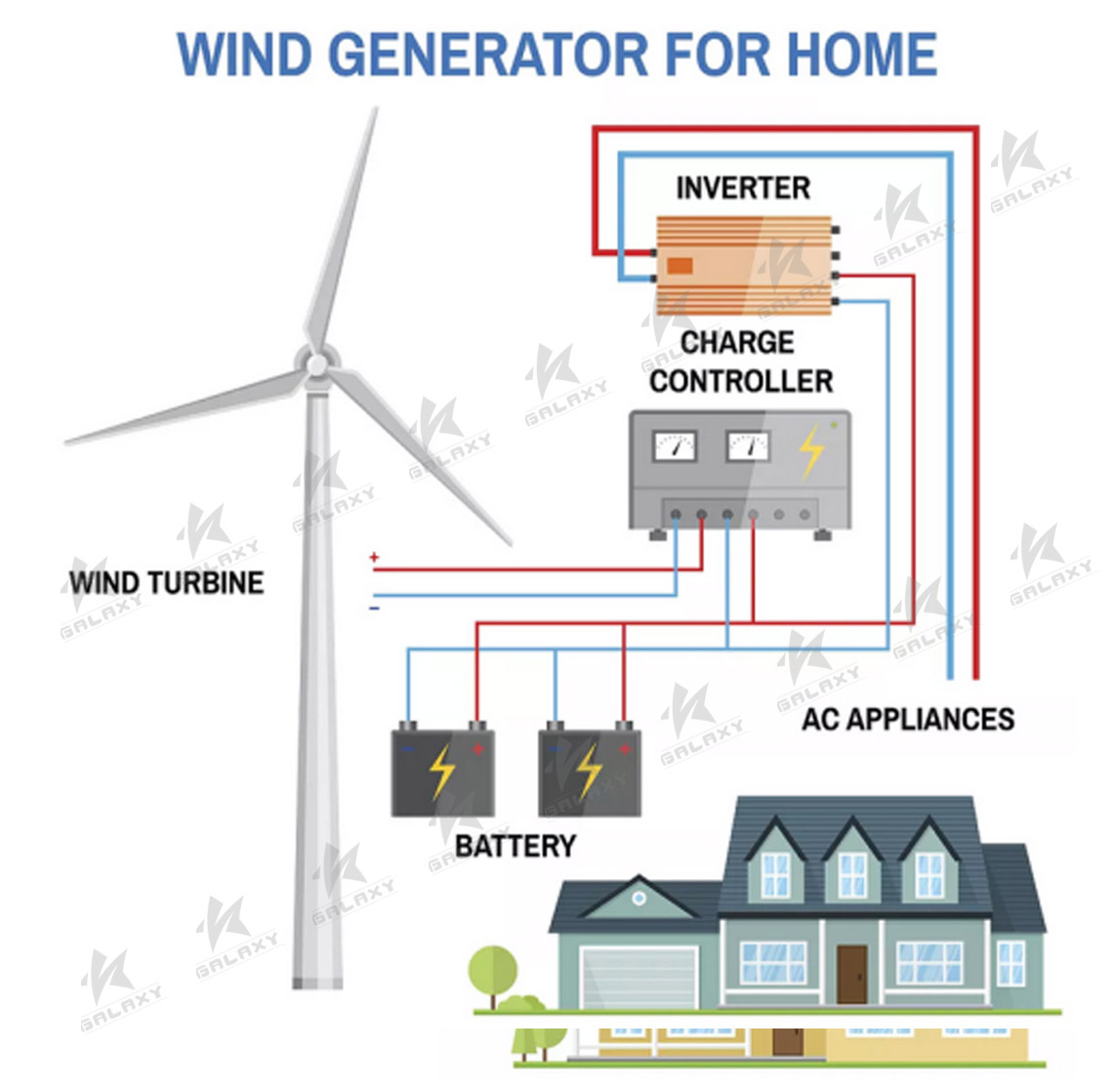
Grid-Tied Systems: These systems are connected to the utility grid, allowing you to sell excess electricity back to the grid through net metering. A smaller turbine may be sufficient if you can rely on the grid to supplement your power needs during periods of low wind. Off-Grid Systems: These systems are not connected to the grid and require battery storage to provide power when the wind is not blowing. An off-grid system typically requires a larger turbine and a significant investment in battery storage.
Understanding Wind Turbine Types and Costs
Different types of wind turbines are available for residential use, each with its own advantages and disadvantages.
1. Horizontal Axis Wind Turbines (HAWTs)
Description: These are the most common type of wind turbine, featuring blades that rotate around a horizontal axis. Advantages: Typically more efficient than VAWTs, can be mounted on towers for better wind exposure. Disadvantages: Can be visually intrusive, require higher wind speeds to start generating power. Cost: Prices vary widely depending on size and manufacturer, but a typical 5k W HAWT system can cost between \$30,000 and \$50,000 installed. Thishome wind turbine costincludes the turbine, tower, installation, and grid connection (if applicable).
2. Vertical Axis Wind Turbines (VAWTs)
Description: These turbines have blades that rotate around a vertical axis. Advantages: Can operate in turbulent wind conditions, generally quieter than HAWTs, aesthetically more pleasing to some. Disadvantages: Less efficient than HAWTs, may require a larger footprint. Cost: VAWTs are often less expensive than HAWTs of the same size. A 5k W VAWT system might cost between \$20,000 and \$40,000 installed.
3. Key Cost Factors
Turbine Size and Type: Larger turbines and HAWTs generally cost more. Tower Height: Taller towers provide better wind exposure but also increase costs. Installation Costs: Installation can account for a significant portion of the total cost, including site preparation, tower erection, electrical wiring, and grid connection. Permitting and Inspection Fees: Local regulations may require permits and inspections, which can add to the overall cost. Maintenance:Regular maintenance is essential for ensuring the long-term performance of your turbine. Factor in the cost of inspections, repairs, and replacement parts.
Navigating Regulations and Permits for Residential Wind Energy
Installing asmall wind energy for homessystem often requires navigating a maze of local regulations and permits. Here's what you need to know:1. Zoning Regulations:
Setbacks: Zoning regulations may specify minimum setback distances between the turbine and property lines, buildings, and roads. Height Restrictions: There may be limits on the maximum height of the turbine tower. Noise Restrictions: Some jurisdictions have noise ordinances that limit the amount of noise that a wind turbine can generate. Aesthetics: Some communities have aesthetic requirements for wind turbines, such as requiring them to be painted a certain color or screened from view.
2. Building Permits
Permit Requirements: Most jurisdictions require a building permit for the installation of a wind turbine. Structural Engineering: The permit application may require a structural engineering analysis to ensure the tower is strong enough to withstand wind loads. Electrical Inspection:Once the turbine is installed, it will need to be inspected by a qualified electrician to ensure it meets electrical safety codes.
3. Net Metering Agreements
Agreement with Utility: If you plan to connect your wind turbine to the grid and sell excess electricity back to the utility, you will need to enter into a net metering agreement. Terms and Conditions: These agreements specify the terms and conditions under which the utility will purchase your excess electricity, including the price they will pay and any limitations on the amount of electricity you can sell.
4. Tips for Navigating Regulations
Contact Local Authorities: Start by contacting your local planning and zoning department and building department to learn about the specific regulations in your area. Hire a Qualified Installer: A qualified wind turbine installer will be familiar with local regulations and can help you navigate the permitting process. Be Patient:The permitting process can take time, so be prepared to be patient and persistent.
DIY Wind Power: Is It Right for You?
While professional installation is often recommended, some homeowners with the necessary skills and experience may consider a DIY wind powerproject.
1. Skills and Experience Required
Electrical Knowledge: Understanding electrical wiring, grounding, and safety procedures is essential. Mechanical Aptitude: You'll need to be comfortable working with tools and machinery. Construction Skills: Experience with concrete work, tower erection, and heavy lifting is required. Safety Awareness: Wind turbine installation can be dangerous, so you must be aware of safety hazards and take appropriate precautions.
2. Steps for a DIY Wind Turbine Installation
Site Assessment: Conduct a thorough site assessment to determine the best location for your turbine. Permitting: Obtain all necessary permits from your local authorities. Equipment Purchase: Purchase a wind turbine kit and any necessary accessories. Tower Installation: Erect the turbine tower according to the manufacturer's instructions. Electrical Wiring: Connect the turbine to your home's electrical system or battery bank. Testing and Commissioning: Test the turbine to ensure it is operating correctly.
3. Considerations for DIY Projects
Warranty: Installing a wind turbine yourself may void the manufacturer's warranty. Insurance: Check with your homeowner's insurance company to ensure you are covered for any accidents or damage that may occur during the installation process. Safety:Prioritize safety above all else. If you are not comfortable with any aspect of the installation process, hire a qualified professional.
Maintaining Your Home Wind Turbine
Regular maintenance is crucial for ensuring the long-term performance and reliability of your wind turbine.
1. Inspection Schedule
Monthly: Visually inspect the turbine for any signs of damage, such as cracks, corrosion, or loose bolts. Annually: Have a qualified technician inspect the turbine and perform any necessary maintenance, such as lubricating bearings, checking electrical connections, and inspecting blades.
2. Common Maintenance Tasks
Blade Inspection and Repair: Check the blades for cracks, erosion, or damage. Repair or replace damaged blades as needed. Bearing Lubrication: Lubricate the turbine's bearings regularly to reduce friction and prevent wear. Electrical Connection Inspection: Check all electrical connections for corrosion, loose wires, or damage. Tower Inspection: Inspect the tower for rust, corrosion, or structural damage. Guy Wire Tensioning (if applicable):Check the tension of the guy wires and adjust as needed.
3. Troubleshooting Tips
Reduced Power Output: If your turbine is producing less power than usual, check the blades for damage, inspect the electrical connections, and verify the turbine is properly aligned with the wind. Unusual Noises: Investigate any unusual noises, such as grinding, squealing, or rattling. These noises may indicate a problem with the bearings or other mechanical components. Turbine Not Starting:If the turbine is not starting, check the electrical connections, the brake mechanism, and the wind speed.
People Also Ask:
How long do home wind turbines last?
A well-maintained home wind turbine can last for 20-30 years. Regular inspections and prompt repairs are essential for maximizing the lifespan of your investment. Factors affecting lifespan include the quality of the turbine, the severity of the wind conditions, and the frequency of maintenance.
Can I get tax credits or incentives for installing a home wind turbine?
Yes, many federal, state, and local governments offer tax credits, rebates, and other incentives for installingresidential wind energysystems. The Database of State Incentives for Renewables & Efficiency (DSIRE) is a valuable resource for finding incentives in your area. These incentives can significantly reduce the initial cost of your wind turbine system and improve its overall return on investment.
How much electricity can a small wind turbine generate?
The amount of electricity a small wind turbine can generate depends on its size, the average wind speed in your area, and the turbine's capacity factor. A typical 5k W turbine in a location with an average wind speed of 12 mph can generate approximately 7,500 to 10,000 k Wh per year.
Selecting the right size wind turbine for your home requires careful consideration of your energy needs, local wind conditions, and budget. While the process may seem complex, the rewards of clean, renewable energy and increased energy independence are well worth the effort. With proper planning and execution, you can harness the power of the wind to create a more sustainable future for yourself and your community. You've got this!
Post a Comment for "What Size Wind Turbine Do You Need for Your House?"