How to Safely Shut Down a Home Wind Turbine During Emergencies
Harnessing the power of the wind to generate your own electricity offers an appealing blend of cost savings, energy independence, and environmental responsibility. Residential wind energy is a growing trend, with more and more homeowners exploring off-grid wind systems and DIY wind power solutions. However, like any mechanical system, a home wind turbine requires understanding and responsible operation, especially when unexpected events occur.
Knowing how to safely shut down your home wind turbine during emergencies is paramount. While these systems are designed with safety features, power outages, severe weather, or unusual mechanical issues can necessitate manual intervention. Being prepared with the right knowledge and procedures can prevent damage to your turbine, your property, and, most importantly, ensure the safety of yourself and your family.
One proactive step all wind turbine owners should take is familiarizing themselves with their turbine's specific manual shutdown procedurebeforeinstallation is complete. This allows for confident action in an emergency, and also informs placement choices during the wind turbine installation process.
Understanding Emergency Shutdown Procedures for Your Home Wind Turbine
Every home wind turbine is designed with safety in mind, incorporating automatic features to protect itself from damage during high winds or grid outages. However, relying solely on these automated systems isn't always sufficient. Familiarizing yourself with the manual shutdown procedure for your specific turbine model is crucial. This knowledge ensures you can take control when automated systems fail or when specific circumstances require immediate intervention.
The procedure for safely shutting down a wind turbine varies depending on its size, design, and connection to the grid. Larger turbines may have more complex shutdown mechanisms, while smaller, DIY wind power systems might have simpler procedures. Regardless of the complexity, understanding each step is essential. We’ll discuss common methods, butalwaysrefer to your turbine's manual for precise instructions.
Common emergency scenarios that might require a manual shutdown include: Severe Weather: Approaching hurricanes, tornadoes, or extreme windstorms. Grid Outages: Unexpected power failures can sometimes cause a turbine to operate erratically. Mechanical Issues: Unusual noises, vibrations, or visible damage to the turbine. Overspeeding: The turbine blades are rotating excessively fast, despite the braking system engaging. Fire:In the unlikely event of a fire near the turbine.
Ignoring these warning signs and failing to act swiftly can lead to catastrophic failure of the wind turbine, resulting in costly repairs and potential safety hazards. Understanding home wind turbine cost implications beyond the initial investment is crucial, and that includes budgeting for maintenance and potential emergency repairs.
Step-by-Step Guide to Safe Turbine Shutdown
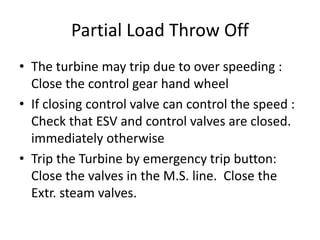
While specific procedures vary, the general steps involved in safely shutting down a home wind turbine are outlined below. Again,alwaysconsult your turbine's manual for model-specific instructions:
1.Disconnect from the Grid (If Applicable): If your turbine is grid-tied, locate the main disconnect switch, usually located near your inverter or breaker box. Turn this switch OFF to isolate the turbine from the utility grid. This prevents backfeeding electricity into the grid during a power outage, which can be dangerous for utility workers.
2.Activate the Manual Brake: Most wind turbines have a manual braking system. This could be a mechanical brake lever, an electrical switch, or a combination of both. Activating the brake will slow down and eventually stop the turbine blades from rotating. Refer to your manual for the exact location and operation of the brake.Note:In some cases, the manual brake might be a failsafe designed for complete immobilization and not a mechanism for normal slowing of the turbine.
3.Secure the Turbine (If Possible): Some smaller turbines, especially those on towers, have a yaw mechanism that allows them to rotate freely to face the wind. In extreme weather, you might want to manually lock the yaw mechanism to prevent the turbine from turning uncontrollably. Your manual will provide instructions if this is applicable. In some cases, this may involve manually winching or cranking the turbine into a safe position.
4.Monitor the Turbine: After initiating the shutdown procedure, continue to monitor the turbine for any signs of continued malfunction or instability. Listen for unusual noises or vibrations, and visually inspect the turbine for any damage.
5.Document the Event: After the emergency has passed and the turbine is stable, thoroughly document the event, including the date, time, weather conditions, any unusual observations, and the steps you took to shut down the turbine. This documentation will be invaluable for future troubleshooting and maintenance.
6.Contact a Qualified Technician: Following an emergency shutdown, it’s highly recommended to contact a qualified wind turbine technician for a thorough inspection before resuming normal operation. They can identify any hidden damage and ensure the turbine is safe to operate. This is especially important after high-wind events.
Prioritizing Safety During High-Wind Events
High winds are a common cause for concern with home wind turbines. While most turbines are designed to withstand considerable wind speeds, extreme conditions can still pose a risk. In preparation for high winds: Know Your Turbine's Cut-Out Speed: The cut-out speed is the wind speed at which the turbine is designed to automatically shut down to prevent damage. Familiarize yourself with this specification in your turbine's manual. Monitor Weather Forecasts: Stay informed about upcoming weather events, especially those involving high winds. Inspect Regularly:Regularly inspect your turbine for any signs of wear and tear, loose connections, or corrosion. Address these issues promptly to ensure the turbine is in good working order.
Maintaining Your Turbine for Optimal Performance and Safety
Regular maintenance is essential for ensuring the long-term performance and safety of your home wind turbine. A well-maintained turbine is less likely to experience unexpected failures that necessitate emergency shutdowns.
Visual Inspections: Conduct regular visual inspections of the turbine, tower, and electrical connections. Look for any signs of damage, corrosion, or loose components. Lubrication: Follow the manufacturer's recommendations for lubricating the turbine's moving parts. This helps to reduce friction and wear, extending the life of the turbine. Torque Checks: Periodically check the torque of all bolts and fasteners, especially those on the tower and rotor blades. Loose connections can lead to instability and potential failure. Blade Inspection: Carefully inspect the rotor blades for any signs of cracks, chips, or erosion. Damaged blades can affect the turbine's performance and safety. Professional Servicing:Schedule regular professional servicing of your turbine by a qualified technician. They can perform more in-depth inspections and maintenance tasks, such as bearing replacement and electrical testing.
Proper maintenance extends the lifespan of your investment and ensures that your journey into small wind energy for homes is a positive one. Understanding the nuances of residential wind energy is an ongoing process, one that yields increasing rewards as you learn to optimize your system.
Understanding Grid-Tied vs. Off-Grid Systems in Emergency Scenarios
The procedures for shutting down a wind turbine can vary slightly depending on whether it is connected to the utility grid (grid-tied) or operates independently (off-grid).
Grid-Tied Systems: In grid-tied systems, disconnecting from the grid is a crucial first step in an emergency shutdown. This prevents the turbine from backfeeding electricity into the grid, which could be dangerous for utility workers. It also protects the turbine from potential damage due to voltage fluctuations or power surges on the grid. Off-Grid Systems: In off-grid systems, the turbine is typically connected to a battery bank and an inverter, which converts the DC electricity from the turbine into AC electricity for use in your home. During an emergency shutdown, you may need to disconnect the turbine from the battery bank to prevent overcharging or damage to the batteries. Refer to your inverter and battery documentation for specific instructions.
DIY Wind Power vs. Professional Wind Turbine Installation
While DIY wind power projects can be a rewarding experience, it's crucial to understand the potential risks and complexities involved. A professionally installed system generally offers greater reliability, safety, and performance.
DIY Wind Power: DIY wind power projects can be a cost-effective way to generate your own electricity, but they require a significant amount of technical knowledge and skill. You'll need to be comfortable with electrical wiring, mechanical systems, and tower construction. It’s also vital to be fully aware of local regulations and permitting requirements. Professional Wind Turbine Installation: A professional wind turbine installation company will handle all aspects of the project, from site assessment and permitting to installation and commissioning. They have the expertise and equipment to ensure the turbine is installed safely and correctly, and they can provide ongoing maintenance and support. While the home wind turbine cost is higher upfront, the peace of mind and long-term reliability are often worth the investment.
People Also Ask
What are the signs my wind turbine needs an emergency shutdown?
Unusual noises (grinding, squealing), excessive vibration, visible damage to the blades or tower, smoke, or a turbine spinning uncontrollably fast are all signs that require immediate shutdown. Any indication of overspeed, where the braking system fails to control the rotor speed, is particularly critical.
How do I prepare my family for a wind turbine emergency?
Ensure everyone in your household knows the location of the main disconnect switch and the basic shutdown procedure. Post clear, laminated instructions near the turbine's control panel. Conduct periodic drills to practice the shutdown procedure.
What should I do after an emergency shutdown?
Do not attempt to restart the turbine until it has been thoroughly inspected by a qualified technician. Document the event and any observed damage. Contact your turbine manufacturer or installer for guidance.
Home wind turbines offer a sustainable and empowering way to generate clean energy. By understanding the importance of emergency shutdown procedures and prioritizing regular maintenance, you can ensure the safe and reliable operation of your turbine for years to come. With proper knowledge and preparation, you can confidently harness the power of the wind while minimizing potential risks. Remember, taking the time to understand your system empowers you to make informed decisions and protects your investment. Embrace the journey of renewable energy with confidence!
Post a Comment for "How to Safely Shut Down a Home Wind Turbine During Emergencies"