15 Questions to Ask Before Buying a Home Wind Turbine
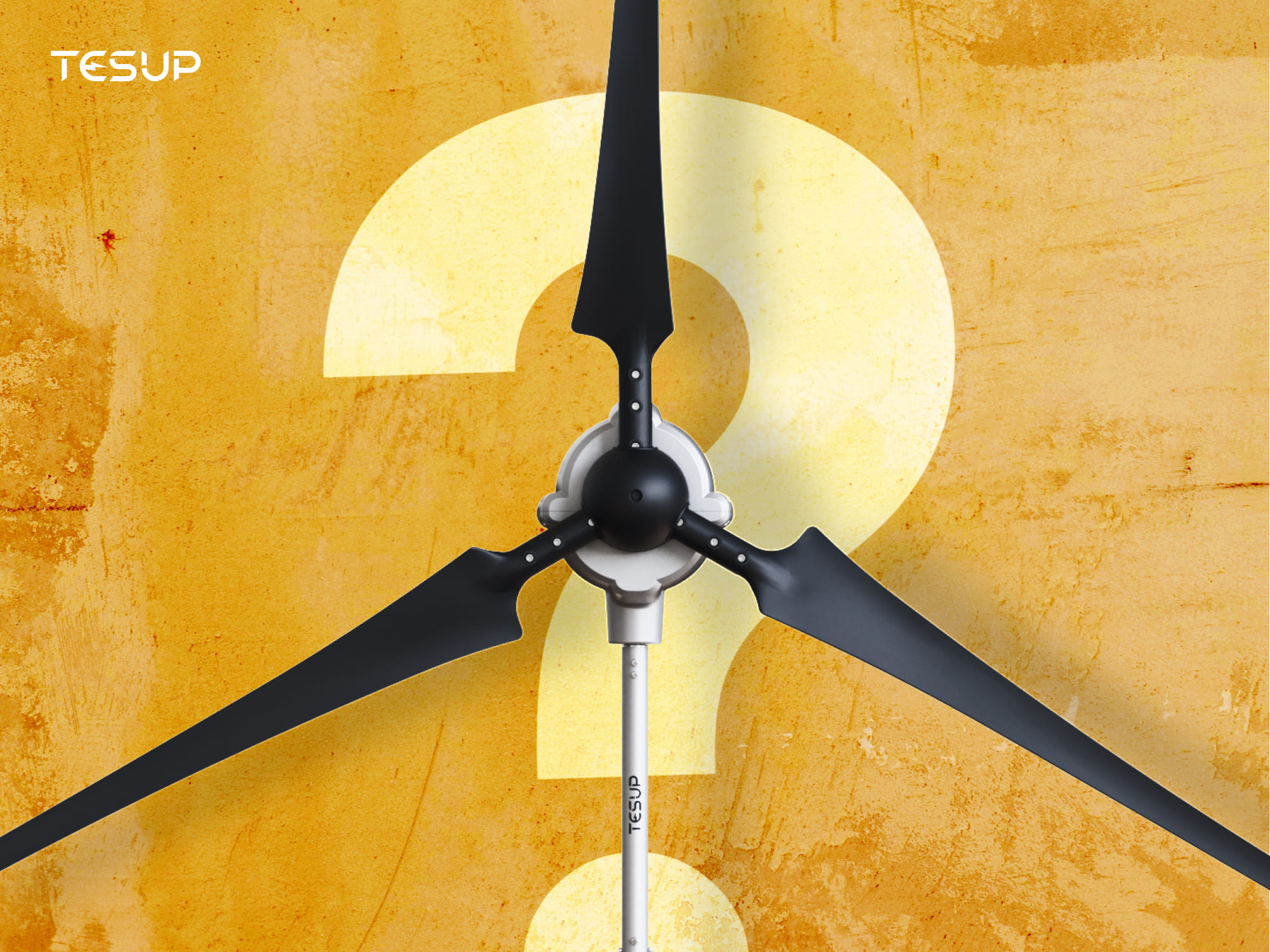
Imagine generating your own electricity, silencing your dependence on the grid, and shrinking your carbon footprint, all with the power of the wind. Installing a home wind turbine might seem like a futuristic fantasy, but it’s an increasingly accessible reality for homeowners seeking energy independence and sustainable living.
Before you rush to harness the breeze, however, careful consideration is paramount. Choosing the right turbine and installing it correctly can be complex, and a poorly planned project can lead to frustration and financial setbacks. This is why understanding the critical questions to askbeforeyou buy is essential.
Taking the time to research, evaluate your needs, and understand the technology will ensure that your investment is sound, your environmental impact is positive, and your experience is smooth sailing.
15 Essential Questions to Ask Before Buying a Home Wind Turbine
Investing in residential wind energy is a significant decision, and a well-informed one is more likely to yield positive results. These 15 questions will guide you through the crucial considerations before you commit to a home wind turbine system.
1.What is my average wind speed at the proposed location?
This is the single most important factor. Wind turbine output is directly proportional to wind speed. A site with low average wind speeds simply won't generate enough electricity to justify the investment. Consult local meteorological data, use online wind resource maps (like those from the National Renewable Energy Laboratory), and consider a professional wind assessment with an anemometer to gather accurate on-site data over a period of at least a year. Keep in mind that trees, buildings, and other obstructions can significantly reduce wind speeds near the ground. Even small increases in tower height can substantially improve energy production.
2.What are my energy needs and consumption patterns?
Before selecting a turbine size, analyze your household's energy consumption. Review your electricity bills for the past year to determine your average monthly and peak energy usage. This will help you determine the size of turbine needed to offset a portion or all of your electricity consumption. Consider future energy needs, such as adding an electric vehicle or expanding your home. Think about whether you want to be completely off-grid with a battery storage system, or grid-tied to supplement your electricity from the utility.
3.What size and type of turbine is appropriate for my site and energy needs?
Home wind turbines range in size from small units producing a few hundred watts to larger systems generating several kilowatts. Horizontal-axis turbines (HAWTs) are the most common, resembling miniature wind farms. Vertical-axis turbines (VAWTs) are less common, often touted for their ability to capture wind from any direction, but typically less efficient. Consider the visual impact and noise levels of different turbine types. Match the turbine's rated power output to your energy needs and the available wind resource. Look into micro wind turbine cost, small wind turbine prices, and costs associated with larger residential systems.
4.What is the total cost of the system, including installation and maintenance?
The home wind turbine cost goes beyond the price of the turbine itself. Include costs for: Tower (guyed or freestanding)
Foundation and permitting
Wiring and electrical components (inverter, charge controller, batteries if off-grid)
Installation labor
Maintenance (annual inspections, repairs, component replacements)
Get detailed quotes from multiple installers. Factor in potential tax credits and rebates, which can significantly reduce the upfront investment.
5.Are there any zoning restrictions, building codes, or HOA regulations that might impact my ability to install a turbine?
Research local regulations before making any purchases. Many jurisdictions have zoning ordinances that restrict the height, placement, and noise levels of wind turbines. Homeowners associations (HOAs) may have additional restrictions. Obtain all necessary permits before starting any construction. Ignoring these regulations can result in fines and the forced removal of your turbine.
6.What is the expected lifespan and warranty of the turbine?
A well-maintained home wind turbine can last 20 years or more. Check the manufacturer's warranty terms, including the duration and coverage of different components. Consider the availability of replacement parts and the manufacturer's reputation for customer support. A longer warranty is generally a sign of higher quality and reliability.
7.Who will install the turbine, and what are their qualifications?
Wind turbine installation requires specialized knowledge and skills. Choose a qualified installer with experience in residential wind energy systems. Verify their certifications and licenses, and check their references. A proper installation is crucial for safety, performance, and longevity of the turbine. Ask about their experience with similar projects and their understanding of local regulations.
8.What type of grid connection (if any) will I need?
If you plan to connect your turbine to the grid, you'll need to negotiate a "net metering" agreement with your utility company. Net metering allows you to send excess electricity back to the grid and receive credit on your bill. Understand the utility's requirements for grid interconnection, including safety standards and metering equipment. Be aware that some utilities may have limitations on the size of the turbine you can connect to the grid.
9.How will I maintain the turbine, and what are the ongoing maintenance costs?
Regular maintenance is essential for ensuring optimal performance and extending the lifespan of your turbine. This includes: Inspecting blades, tower, and electrical connections
Lubricating moving parts
Tightening bolts and fasteners
Replacing worn components
You can perform some maintenance tasks yourself, but consider hiring a professional technician for annual inspections and major repairs. Budget for these ongoing costs.
10.What type of energy storage system (if any) will I need?
If you want to be completely off-grid or have backup power during outages, you'll need a battery storage system. Batteries store excess electricity generated by the turbine and release it when needed. Consider the battery type (lead-acid, lithium-ion), capacity, and lifespan. Factor in the cost of the charge controller and inverter, which regulate the flow of electricity to and from the batteries.
11.What is the noise level of the turbine, and how will it affect my neighbors?
Wind turbines can generate noise, particularly at higher wind speeds. Choose a turbine with a low noise rating, and locate it away from property lines and noise-sensitive areas. Consider the prevailing wind direction and the potential impact on your neighbors. Communicate with your neighbors before installing a turbine to address any concerns.
12.How will the turbine affect wildlife, particularly birds and bats?
Wind turbines can pose a risk to birds and bats, especially migratory species. Choose a turbine with features designed to minimize wildlife impacts, such as slow-rotating blades or bird deterrents. Avoid locating turbines in areas with high bird or bat activity. Consider the potential environmental impact of your project.
13.What are the potential environmental benefits and drawbacks of a home wind turbine?
While wind energy is generally considered clean and renewable, it's important to consider the full environmental impact. Benefits include reduced greenhouse gas emissions and reliance on fossil fuels. Drawbacks include the visual impact, noise, and potential effects on wildlife. Weigh the pros and cons of your project.
14.What is the payback period and return on investment (ROI) for the system?
Calculate the payback period by dividing the total cost of the system by the annual savings on your electricity bill. Consider the potential increase in your property value. Keep in mind that the payback period can vary depending on wind speeds, electricity prices, and government incentives. A well-sited and properly maintained turbine can provide a significant return on investment over its lifespan.
15.Am I comfortable with the ongoing responsibility of owning and maintaining a wind turbine?
Owning a home wind turbine is not a passive investment. It requires ongoing attention and maintenance. Are you prepared to handle the occasional troubleshooting, repairs, and upkeep? Do you have the time, skills, and resources to manage the system effectively? Be realistic about your capabilities and willingness to commit to the long-term responsibility.
People Also Ask
How high should my wind turbine be?
The higher, the better, generally speaking. Wind speed increases with height, so a taller tower will capture more wind energy. However, height is also limited by zoning regulations and cost. A good rule of thumb is to place the turbine at least 30 feet above any nearby obstructions, such as trees or buildings, within a 500-foot radius.
Can I build my own wind turbine?
Yes, DIY wind power is possible, and there are many resources available online for building your own turbine. However, it requires significant technical skills, access to specialized tools, and a thorough understanding of electrical safety. While it can be a rewarding project, consider the potential risks and limitations before attempting a DIY build. Purchasing a commercially manufactured turbine is typically more reliable and cost-effective in the long run.
Will a wind turbine work in a residential area?
Yes, but careful planning is essential. Consider the wind resource, zoning regulations, noise levels, and visual impact. A small, well-sited turbine can be a viable option in some residential areas. Communicating with your neighbors and addressing their concerns can help ensure a successful project.
Taking the time to thoroughly research and answer these questions will empower you to make informed decisions and maximize the benefits of your home wind turbine investment. By understanding your energy needs, assessing your site, and considering the long-term costs and benefits, you can harness the power of the wind to create a more sustainable and energy-independent future for yourself and your community. Your journey towards a greener home starts now.
Post a Comment for "15 Questions to Ask Before Buying a Home Wind Turbine"