10 Safety Tips for Operating Home Wind Turbines
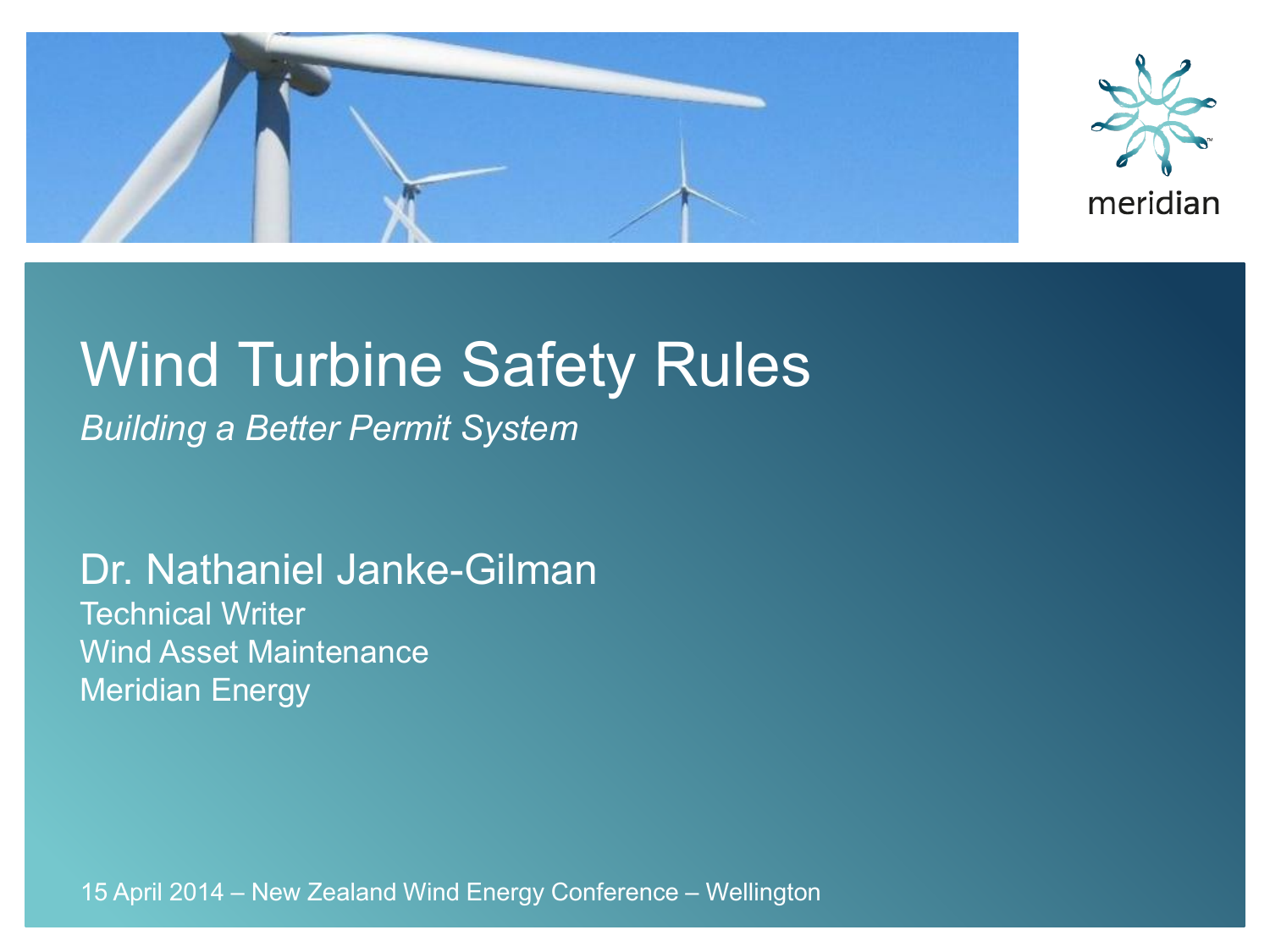
Imagine generating your own electricity silently, cleanly, and directly from the air flowing around your home. Residential wind energy offers that promise, but tapping into the power of the wind requires respecting its force and understanding the safety considerations involved.
Harnessing wind energy at home can significantly reduce your carbon footprint and dependence on traditional power grids. However, improperly installed or maintained home wind turbines can pose risks. Prioritizing safety protects you, your family, and your investment in sustainable energy.
Before even considering a DIY wind power project, consult with a qualified wind turbine installer. Their expertise is crucial in assessing your site's suitability and ensuring a safe and effective installation.
10 Essential Safety Tips for Home Wind Turbine Operation
Operating a home wind turbine safely requires diligent attention to detail, consistent maintenance, and a thorough understanding of potential hazards. Here are ten critical safety tips to ensure your residential wind energy system operates reliably and without incident:
1.Professional Installation is Non-Negotiable: While DIY projects can be tempting, wind turbine installation is best left to certified professionals. They possess the knowledge and experience to properly assess the site, secure the turbine, and connect it to your electrical system safely. A poorly installed turbine is a safety hazard waiting to happen, potentially leading to structural failure or electrical accidents. The initial home wind turbine cost might seem higher with professional installation, but the long-term safety and performance benefits are worth the investment.
2.Regular Inspections are Key: Schedule regular inspections of your wind turbine, ideally at least twice a year, and after any significant weather event like a strong storm or high winds. Check for loose bolts, frayed wires, cracks in the blades, and any signs of wear and tear. Catching small issues early can prevent them from escalating into major problems that compromise safety and require costly repairs.
3.Lock Out/Tag Out Procedures: Before performing any maintenance or repairs on your wind turbine, always follow proper Lock Out/Tag Out (LOTO) procedures. This involves disconnecting the turbine from the power grid and physically locking the disconnect switch in the "off" position. Attach a tag indicating that the turbine is being worked on and should not be energized. This prevents accidental start-up during maintenance, which could lead to serious injury.
4.Grounding is Paramount: Proper grounding is essential for protecting against electrical shocks and surges. Ensure that your wind turbine and all associated electrical components are properly grounded according to local electrical codes. A grounding system provides a safe path for stray electricity to flow to the earth, minimizing the risk of electrocution or equipment damage.
5.Lightning Protection is Crucial: Wind turbines, being tall structures, are particularly vulnerable to lightning strikes. Install a comprehensive lightning protection system, including lightning rods, grounding conductors, and surge protection devices. This system will help to divert lightning energy away from the turbine and into the ground, preventing damage to the equipment and reducing the risk of fire.
6.Blade Clearance is Essential: Ensure that there is adequate clearance between the turbine blades and any surrounding obstacles, such as trees, buildings, or power lines. Insufficient clearance can lead to blade strikes, which can damage the turbine and create a safety hazard. Consider future growth of trees when determining appropriate clearance.
7.Noise Considerations are Important: Wind turbines can generate noise, especially at higher wind speeds. Consider the noise impact on your neighbors and take steps to mitigate noise pollution, such as choosing a low-noise turbine model or installing sound barriers. Noise complaints can lead to legal issues and strained relationships with neighbors.
8.Weather Monitoring is Advised: Stay informed about upcoming weather conditions, particularly high winds and severe storms. Some turbines have automatic shutdown features that activate during high winds to prevent damage. If your turbine does not have this feature, consider manually shutting it down during extreme weather events.
9.Training and Education are Needed: If you plan to perform any maintenance or repairs on your wind turbine yourself, ensure that you have received proper training and education. Understand the risks involved and follow all safety precautions. Consider taking a course on wind turbine maintenance and safety.
10.Emergency Procedures are Key: Develop a clear emergency plan in case of a turbine failure or accident. This plan should include procedures for shutting down the turbine, contacting emergency services, and evacuating the area if necessary. Ensure that all members of your household are familiar with the emergency plan.
Understanding the Financial Aspects of Wind Turbine Safety
While the focus is on safety, understanding the financial implications of safety measures is crucial. Investing in professional installation, regular inspections, and robust safety systems may seem like an added expense, but it is a worthwhile investment that can save you money in the long run by preventing costly repairs, reducing downtime, and protecting your investment. Consider it part of the overall long-term financial planning for your residential wind energy system. Understanding the overall home wind turbine cost involves more than just the initial purchase price; it includes the cost of ensuring safe and reliable operation for years to come.
People Also Ask: Home Wind Turbine Safety FAQs
What happens if a wind turbine blade breaks off?
A broken blade can pose a significant safety hazard. If a blade breaks off, it can be thrown a considerable distance, potentially causing damage to property or injury to people. This is why regular inspections are crucial to identify and address any signs of blade damage before it becomes a catastrophic failure. Investing in high-quality blades made from durable materials can also help to reduce the risk of blade breakage.
How do I protect my wind turbine from lightning strikes?
As mentioned earlier, a comprehensive lightning protection system is essential. This system should include lightning rods installed on the turbine tower, grounding conductors that connect the lightning rods to a grounding system buried in the earth, and surge protection devices installed on electrical circuits to protect sensitive equipment from voltage spikes caused by lightning. Consulting with a lightning protection specialist is recommended to design a system that is tailored to your specific site conditions.
Can I install a wind turbine close to power lines?
Installing a wind turbine close to power lines is extremely dangerous and should be avoided at all costs. The turbine blades could potentially come into contact with the power lines, leading to electrocution or a fire. Always maintain a safe distance between the turbine and any power lines. Consult with your local utility company to determine the required clearance distances.
How often should I have my wind turbine inspected?
Ideally, your wind turbine should be inspected at least twice a year – once in the spring and once in the fall. These inspections should include a thorough examination of all mechanical and electrical components, as well as the tower and foundation. After any significant weather event, such as a strong storm or high winds, it is also advisable to conduct an additional inspection to check for any damage.
What should I do if I hear unusual noises coming from my wind turbine?
Unusual noises can be a sign of a problem with your wind turbine. If you hear any unusual noises, such as grinding, squealing, or knocking, shut down the turbine immediately and investigate the cause of the noise. It could be a sign of a loose bolt, a worn bearing, or some other mechanical issue. If you are not comfortable diagnosing the problem yourself, contact a qualified wind turbine technician for assistance.
Embracing residential wind energy comes with the responsibility of ensuring its safe operation. By following these guidelines and prioritizing safety, you can confidently harness the power of the wind and enjoy the benefits of clean, sustainable energy. Your diligence not only safeguards your investment but also contributes to a greener, more sustainable future for all.
Post a Comment for "10 Safety Tips for Operating Home Wind Turbines"