Step-by-Step Guide to Hybrid Solar and Wind Systems for Homes
Have you ever looked at your roof covered in solar panels and wondered if there was another way to harness the elements? The sun provides clean energy, but what happens when it sets or clouds roll in? Imagine complementing your solar array with a silent, spinning wind turbine, ensuring a constant flow of power to your home, day and night, rain or shine.
Combining solar and wind power creates a resilient and reliable energy system, minimizing your reliance on the grid and maximizing your use of renewable resources. This synergy offers significant benefits: greater energy independence, reduced carbon footprint, and potentially lower electricity bills over the long term. This guide will break down the process of setting up a hybrid solar and wind system, providing you with the knowledge and steps necessary to take control of your home's energy future.
Before diving into the technical details, start by assessing your property's wind potential. Online wind resource maps and anemometer tests can give you a clear picture of whether wind energy is a viable option for your location.
Integrating Solar and Wind: A Step-by-Step Guide to Hybrid Systems
A hybrid solar and wind energy system combines the strengths of both technologies to provide a more consistent and reliable power supply than either could achieve on its own. Solar panels excel during sunny days, while wind turbines generate electricity even at night and during inclement weather. This combination creates a robust and resilient home energy solution. Let's explore the steps involved in setting up such a system.
Step 1: Assess Your Energy Needs and Resources
Before you even think about turbines or panels, understand your current energy consumption. Review your electricity bills for the past year to determine your average monthly and peak energy usage. This data will help you accurately size your hybrid system.
Next, evaluate your property's solar and wind resources. For solar, consider factors like roof orientation, shading from trees or buildings, and available surface area. Several online tools can help you estimate your solar potential.
For wind, assess the average wind speed at your location. Wind speed typically increases with height, so consider the potential height of your turbine tower. Local airports and weather stations may provide wind data, or you can use an anemometer to measure wind speed on your property over time. A professional wind assessment is highly recommended.
Step 2: Select the Right Components
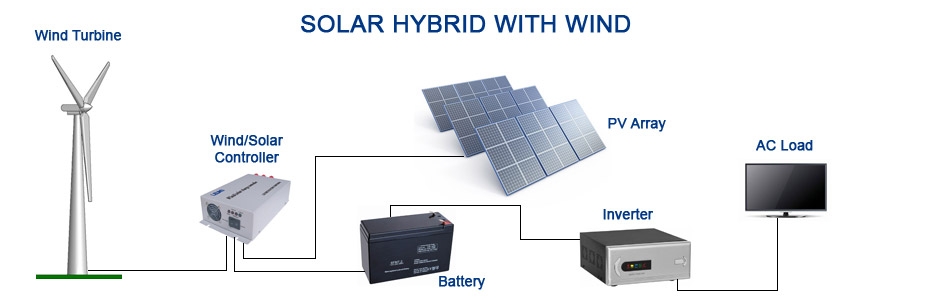
A hybrid solar and wind system consists of several key components: Solar Panels: Choose high-efficiency solar panels that match your energy needs and available roof space. Consider monocrystalline panels for their higher efficiency and durability. Wind Turbine: Select a turbine that is appropriately sized for your average wind speed and energy requirements. Consider the swept area (diameter of the blades) and power rating. Common residential wind turbines range from 1k W to 10k W. Charge Controller: This device regulates the voltage from the solar panels and wind turbine to safely charge the batteries. Choose a charge controller compatible with both solar and wind inputs, often referred to as a hybrid charge controller. Batteries: Store excess energy generated by the solar panels and wind turbine for use when the sun isn't shining or the wind isn't blowing. Deep-cycle batteries, such as lithium-ion or lead-acid, are commonly used in off-grid systems. The battery bank size will depend on your energy storage needs and the autonomy you desire (how many days you want to be able to run your home on stored energy alone). Inverter: Converts the DC power from the batteries into AC power that can be used by your household appliances. Select an inverter with sufficient capacity to handle your peak power demands. Wiring and Mounting Hardware: Ensure you have all the necessary wiring, connectors, and mounting hardware for both the solar panels and wind turbine. Use appropriately sized wiring to minimize energy loss.
Step 3: Obtain Permits and Approvals
Before starting any installation work, check with your local authorities regarding permits and approvals. Many jurisdictions have specific regulations regarding solar panel and wind turbine installations, including zoning restrictions, height limitations, and noise ordinances. Failure to obtain the necessary permits can result in fines or delays.
Step 4: Install the Solar Panels
Follow the manufacturer's instructions for installing your solar panels. Typically, this involves mounting the panels on a racking system attached to your roof. Ensure the panels are securely mounted and properly grounded. Hire a qualified solar installer if you are not comfortable working on your roof.
Step 5: Install the Wind Turbine
Wind turbine installation is generally more complex than solar panel installation and often requires specialized equipment and expertise. It's strongly recommended to hire a qualified wind turbine installer. The installation process typically involves: Tower Foundation: Constructing a sturdy foundation for the turbine tower. The foundation must be able to withstand high winds and the weight of the turbine. Tower Assembly: Assembling the turbine tower according to the manufacturer's instructions. Turbine Mounting: Lifting the turbine onto the tower and securing it in place. Wiring: Connecting the turbine to the charge controller and battery bank.
Step 6: Connect the System Components
Connect the solar panels and wind turbine to the charge controller. The charge controller will regulate the voltage and current to protect the batteries from overcharging. Connect the charge controller to the battery bank, and then connect the battery bank to the inverter. The inverter will convert the DC power from the batteries into AC power that can be used by your household appliances.
Step 7: Test and Monitor the System
Once the system is installed, thoroughly test all components to ensure they are functioning correctly. Monitor the system's performance regularly to identify any issues and optimize its efficiency. Many inverters and charge controllers come with monitoring software that allows you to track energy production, battery voltage, and other key parameters.
Optimizing Your Hybrid System for Maximum Efficiency
Regular Maintenance: Inspect your solar panels and wind turbine regularly for any signs of damage or wear. Clean the solar panels periodically to remove dirt and debris that can reduce their efficiency. Lubricate the wind turbine bearings as needed. Energy Conservation: Reduce your overall energy consumption by using energy-efficient appliances, switching to LED lighting, and insulating your home properly. This will help you maximize the benefits of your hybrid system. Battery Management:Properly maintain your batteries to extend their lifespan. Avoid deep discharges and overcharging. Follow the manufacturer's recommendations for battery maintenance.
Understanding the Costs: A Breakdown
The home wind turbine cost, combined with the expense of solar panels and other system components, can be a significant investment. However, government incentives, tax credits, and the long-term savings on your electricity bill can help offset these costs.
A small wind energy for homes system, including turbine, tower, and installation, can range from $5,000 to $50,000 or more, depending on the size and type of turbine. Solar panel installation can range from $10,000-$30,000, depending on size and location. Batteries, inverters, and other components can add several thousand dollars to the overall cost.
It's crucial to get detailed quotes from multiple installers and carefully evaluate the long-term benefits of a hybrid system. Factor in potential savings on your electricity bill, as well as any government incentives or tax credits you may be eligible for.
Common Challenges and How to Overcome Them
Intermittency: Solar and wind energy are intermittent resources. This means that the amount of energy generated can vary depending on weather conditions. To address this challenge, consider a grid-tied system that allows you to draw power from the grid when your renewable energy sources are not producing enough electricity. Battery storage can also help to smooth out the fluctuations in energy production. Permitting and Zoning: Obtaining the necessary permits and approvals for a wind turbine installation can be challenging, especially in areas with strict zoning regulations. Work closely with your local authorities to understand the requirements and address any concerns they may have. Maintenance:Wind turbines require regular maintenance to ensure they are operating efficiently. This can include lubricating bearings, inspecting blades, and tightening bolts. Consider hiring a qualified technician to perform regular maintenance on your turbine.
People Also Ask
How much wind do I need to make residential wind energy viable?
A good rule of thumb is an average annual wind speed of at least 9-12 mph at turbine height. However, a professional wind assessment is the best way to determine if your site has sufficient wind resources for a small wind turbine.
What are the main benefits of combining solar and wind power?
The primary benefit is increased reliability and energy independence. Solar power is strongest during the day, while wind power can be generated day and night. Combining the two creates a more consistent energy supply, reducing reliance on the grid and maximizing the use of renewable resources.
How long do wind turbines last, and what maintenance is required?
Most residential wind turbines have a lifespan of 20-30 years. Regular maintenance includes inspecting blades for damage, lubricating moving parts, and checking electrical connections. An annual inspection by a qualified technician is recommended.
Creating a hybrid solar and wind system for your home is a significant step toward energy independence and sustainability. While it requires careful planning, investment, and ongoing maintenance, the long-term benefits of reduced energy costs, a smaller carbon footprint, and increased resilience are well worth the effort. With careful planning and the right expertise, you can harness the power of the sun and wind to create a cleaner, more sustainable future for yourself and your community. You've got this!
Post a Comment for "Step-by-Step Guide to Hybrid Solar and Wind Systems for Homes"