How to Use Wind Turbines in Combination With Heat Pumps
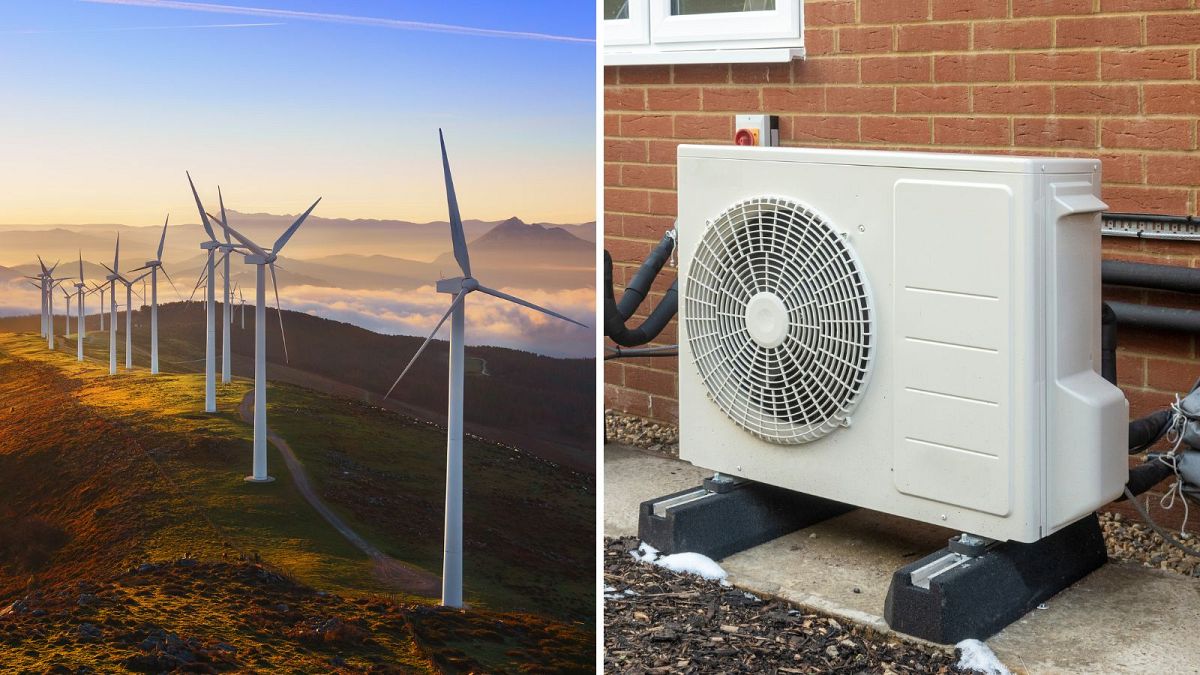
Imagine harnessing the wind, not just to power your lights, but also to heat and cool your home. Sounds like something out of a futuristic movie? It’s not. Combining wind turbines with heat pumps is a practical and increasingly popular way to achieve energy independence and reduce your carbon footprint.
The integration of these two green technologies offers a powerful solution for homeowners seeking to minimize reliance on traditional energy sources. By generating your own electricity with a wind turbine and using that electricity to power a highly efficient heat pump, you can significantly lower your energy bills and contribute to a more sustainable future. Let’s explore how these systems work together and how you can implement them in your own home.
Before diving in, remember that a crucial first step involves assessing your property's wind resource. Check local wind maps, consider the height of nearby obstructions like trees and buildings, and perhaps even invest in a professional wind assessment. Knowing your average wind speed is fundamental to determining the viability and size of a home wind turbine.
Maximizing Efficiency: Wind Turbines and Heat Pumps Working Together
Wind turbines convert the kinetic energy of the wind into electricity. Heat pumps, on the other hand, transfer heat from one place to another, providing both heating and cooling. When these two technologies are linked, the electricity generated by the wind turbine can directly power the heat pump, creating a self-sufficient and environmentally friendly system. This approach is particularly appealing for homes in areas with consistent wind resources, as it can significantly reduce or even eliminate the need for grid electricity for heating and cooling.
Understanding the Components
To effectively combine wind turbines and heat pumps, it's essential to understand the key components of each system: Wind Turbine: Consists of blades, a generator, a tower, and a control system. The blades capture the wind's energy and rotate the generator, producing electricity. Different types of wind turbines are available, including horizontal-axis and vertical-axis models, each with its own advantages and disadvantages. Heat Pump: An electrical device that moves heat from one place to another. In winter, it extracts heat from the outside air (or ground, in the case of geothermal heat pumps) and transfers it inside. In summer, it reverses the process, removing heat from the inside and releasing it outside. Heat pumps are significantly more efficient than traditional heating and cooling systems because they move heat rather than generate it. Inverter (Optional but Recommended): Converts the variable DC electricity produced by the wind turbine into the stable AC electricity used by most household appliances, including heat pumps. Not always required if the heat pump can accept a DC input. Battery Storage (Optional): Stores excess electricity generated by the wind turbine, allowing you to use it when the wind isn't blowing. This is especially important for off-grid systems. Smart Controller:Integrates all components, monitors energy production and consumption, and optimizes the system for maximum efficiency.
System Configurations: On-Grid vs. Off-Grid
The configuration of your wind turbine and heat pump system will depend on whether you are connected to the electrical grid: On-Grid Systems: These systems are connected to the local utility grid. When the wind turbine generates more electricity than the heat pump needs, the excess is sent back to the grid, potentially earning you credits through net metering programs. When the wind isn't blowing, you can draw electricity from the grid to power the heat pump. This offers reliability and reduces the need for battery storage. Off-Grid Systems: These systems are not connected to the utility grid, requiring a more robust design with battery storage to ensure a continuous power supply. Off-grid systems offer complete energy independence but require careful planning and management. The home wind turbine cost for off-grid systems is typically higher upfront due to the battery component.
Integrating Wind Turbine Power with Heat Pumps: A Step-by-Step Guide
Effectively combining a small wind energy for homes system with a heat pump requires careful planning and execution. Here's a general guide:
1.Assess Your Wind Resource: As mentioned earlier, determine the average wind speed at your location. Online wind resource maps and local meteorological data can be helpful. A professional wind assessment is highly recommended.
2.Determine Your Heating and Cooling Needs: Calculate your annual heating and cooling load in BTU (British Thermal Units) or kilowatt-hours (k Wh). This will help you determine the appropriate size of the heat pump.
3.Select a Wind Turbine: Choose a wind turbine that is appropriately sized for your energy needs and wind resource. Consider factors such as rated power, cut-in speed (the minimum wind speed required to start generating electricity), and swept area (the area covered by the rotating blades). For DIY wind power enthusiasts, kits and plans are available, but professional installation is often recommended.
4.Select a Heat Pump: Choose a heat pump that is energy-efficient and compatible with the electricity generated by the wind turbine. Consider factors such as SEER (Seasonal Energy Efficiency Ratio) for cooling and HSPF (Heating Seasonal Performance Factor) for heating.
5.Size the Inverter and Battery Storage (if needed): If you are using an on-grid system, you may not need battery storage. However, an inverter is typically required to convert the DC electricity from the wind turbine into AC electricity. If you are using an off-grid system, you will need to size the battery storage to meet your energy needs during periods of low wind.
6.Install the System: Wind turbine installation and heat pump installation should be performed by qualified professionals. This will ensure that the systems are installed safely and correctly. Consider researching local companies specializing in residential wind energy.
7.Connect the Systems: Connect the wind turbine to the heat pump through the inverter (if applicable) and battery storage (if applicable). Use a smart controller to monitor and optimize the system.
8.Maintenance: Regular maintenance is essential to ensure the long-term performance of both the wind turbine and the heat pump. This includes inspecting the blades, lubricating moving parts, and cleaning the heat pump coils.
Cost Considerations: Is It Worth It?
The initial home wind turbine cost and heat pump installation can be significant, but the long-term savings and environmental benefits can make it a worthwhile investment. Here's a breakdown of the costs involved: Wind Turbine: The cost of a small wind turbine can range from \$3,000 to \$8,000 for a 1-10 k W turbine, plus installation costs, which can add another \$1,000 to \$5,000, depending on the complexity of the installation. Heat Pump: The cost of a heat pump can range from \$4,000 to \$10,000, including installation. Geothermal heat pumps typically cost more than air-source heat pumps. Inverter and Battery Storage: The cost of an inverter can range from \$500 to \$2,000, while battery storage can cost from \$2,000 to \$10,000, depending on the capacity. Installation: Installation costs can vary depending on the complexity of the project and the location of your home. Permitting:Many areas require permits for wind turbine and heat pump installations, adding to the overall cost.
While the upfront costs may seem daunting, remember to factor in the long-term savings on your energy bills. In many cases, the system can pay for itself within 5-10 years. Additionally, various government incentives and tax credits are available to help offset the cost of renewable energy systems. Research federal, state, and local programs.
Case Studies: Real-World Examples
Several homeowners have successfully integrated wind turbines and heat pumps to reduce their energy consumption and environmental impact.
Example 1: Rural Home in Iowa: A family in rural Iowa installed a 10 k W wind turbine and a geothermal heat pump. They are now able to generate nearly all of their electricity and heat their home using renewable energy. Their annual energy savings are estimated at \$3,000. Example 2: Coastal Home in Massachusetts: A homeowner in coastal Massachusetts installed a 5 k W wind turbine and an air-source heat pump. They are able to significantly reduce their reliance on the grid and lower their carbon footprint. They also take advantage of net metering, selling excess electricity back to the utility company.
These are just a couple of examples of how wind turbines and heat pumps can work together to create a sustainable and cost-effective energy solution. Your results, of course, will depend on your location, energy needs, and the specific systems you choose.
Maintenance Best Practices
Ensuring the longevity and efficiency of your integrated wind turbine and heat pump system requires diligent maintenance: Wind Turbine: Regularly inspect the blades for damage, lubricate moving parts, and check the tower for stability. Schedule professional inspections annually. Heat Pump: Clean the coils regularly to ensure efficient heat transfer. Change the air filter every 1-3 months. Schedule professional maintenance annually. Battery Storage (if applicable): Monitor the battery charge level and replace batteries as needed. Follow the manufacturer's recommendations for battery maintenance. Smart Controller: Ensure the smart controller is functioning properly and update the software as needed.
People Also Ask:
How much wind is needed to power a heat pump?
The amount of wind needed depends on the size of the heat pump and the rated power of the wind turbine. Generally, a location with an average wind speed of at least 9 mph is considered suitable for wind energy generation. A properly sized turbine should be able to generate enough electricity to meet the heat pump's energy demands.
Are there any downsides to combining wind and heat pumps?
Yes, the initial investment can be significant. Also, wind resources are variable, so you may need battery storage or a grid connection to ensure a continuous power supply. Noise from the wind turbine can also be a concern for some people. Local regulations and permitting can also add to the complexity and cost of the project.
What government incentives are available for renewable energy systems?
The federal government offers a tax credit for renewable energy systems, including wind turbines and heat pumps. Many states and local governments also offer incentives, such as rebates, grants, and tax credits. Check with your local energy office or a renewable energy professional for more information. The Database of State Incentives for Renewables & Efficiency (DSIRE) is also an excellent resource.
Can I install a wind turbine myself?
While DIY wind power kits are available, wind turbine installation is generally best left to qualified professionals. It involves working with electricity and heights, so safety is a major concern. Also, proper installation is essential to ensure the long-term performance and reliability of the system.
Combining wind turbines with heat pumps offers a compelling pathway to energy independence and a greener lifestyle. While there are upfront costs and considerations, the long-term benefits – reduced energy bills, a smaller carbon footprint, and greater control over your energy supply – make it an increasingly attractive option. Don't let perceived complexities hold you back. Start with research, consultations, and a clear understanding of your energy needs. With careful planning and execution, you can harness the power of the wind to heat and cool your home, contributing to a more sustainable future for yourself and generations to come.
Post a Comment for "How to Use Wind Turbines in Combination With Heat Pumps"