How to Prioritize Your Financial Freedom
Okay, here's a blog article following your specifications:
Imagine this: You're at your kid's soccer game on a crisp autumn evening. The air smells like fallen leaves and hot chocolate. You should be completely present, soaking in the joy of the moment, but instead, a nagging feeling tugs at the back of your mind. It's that familiar anxiety about the bills piling up, the car repair you've been putting off, and the ever-growing credit card debt. That feeling, that constant hum of financial worry, is something far too many of us know intimately.
The truth is, achieving true financial freedom can feel like climbing a mountain with no summit in sight. It's not just about having a lot of money; it's about having control, choices, and peace of mind. We all juggle different pressures: mortgages, rent, student loans, childcare costs, and the simple desire to enjoy life. But when these pressures feel overwhelming, our financial wellbeing takes a backseat.
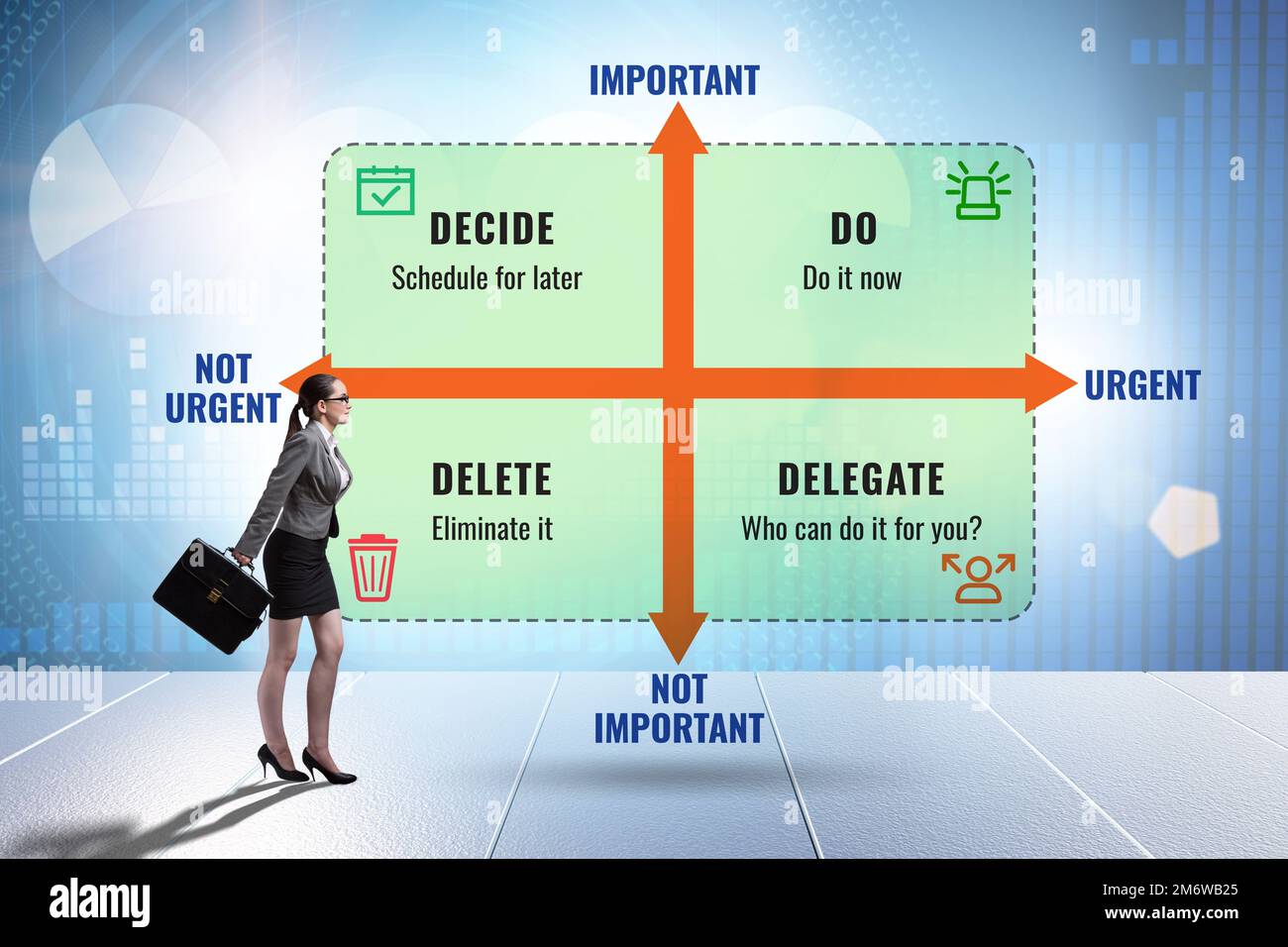
Instead of viewing financial freedom as a distant, unattainable goal, start by prioritizing it as alifestyle. Think of it as a series of small, deliberate choices you makeevery single daythat shift your relationship with money. This means identifying what truly matters to you – your values, your goals, and your desired lifestyle – and then aligning your financial decisions with those priorities. For example, if spending time with family is a top value, maybe you can cut back on eating out to afford a family vacation or invest in experiences rather than material possessions. If health is a priority, allocate funds for gym memberships, healthy food, or preventative care. The key is to connect your spending to your values; This will help you make more conscious financial decisions.
It might be easier than you think. Shifting your perspective from "I can't afford this" to "Is thisworthit to me?" can be a powerful starting point. This mindset shift transforms budgeting from a restrictive chore into a tool for intentional living.
Understanding Your Starting Point
Before you can map out your route to financial freedom, you need to know where you currently are. This involves a deep dive into your current financial situation.
Track Your Spending: For a month (or even better, three!), meticulously track every penny you spend. There are numerous apps and spreadsheets that can help you. Don't judge yourself during this process, just observe. You might be surprised by where your money is actually going. Is it subscriptions you forgot about? Daily coffees? Impulse buys online?
Calculate Your Net Worth: This is simply the difference between your assets (what you own) and your liabilities (what you owe). Assets include things like your savings accounts, investments, real estate, and valuable possessions. Liabilities include your debts like credit card balances, loans, and mortgages. Knowing your net worth provides a clear snapshot of your current financial standing.
Analyze Your Income and Expenses: Create a simple budget that outlines your monthly income and expenses. Be honest with yourself about your spending habits. Identify areas where you can potentially cut back or reallocate funds. This is not about deprivation; it's about making conscious choices that align with your financial goals.
Example: Let's say Sarah tracks her spending for a month and discovers she's spending $200 a month on takeout coffee. While she enjoys the convenience, she realizes she can easily make coffee at home for a fraction of the cost. By cutting back on takeout coffee, she could save $150 a month, which she can then allocate towards her debt payoff goal or emergency savings.
Building a Solid Foundation
Once you have a clear understanding of your current financial situation, it's time to build a solid foundation for your future financial freedom. This involves addressing immediate needs and setting up long-term strategies.
Create an Emergency Fund: This is non-negotiable. An emergency fund is a safety net that protects you from unexpected expenses like medical bills, car repairs, or job loss. Aim to save at least 3-6 months' worth of living expenses in a readily accessible account. This fund will give you peace of mind and prevent you from going into debt when unexpected events occur.
Prioritize Debt Payoff: High-interest debt, such as credit card debt, can be a major obstacle to financial freedom. Focus on paying off your highest-interest debts first, using strategies like the debt snowball or debt avalanche method. The debt snowball focuses on paying off the smallest balance first to build momentum, while the debt avalanche targets the highest interest rate debt first to save money on interest.
Automate Savings: Set up automatic transfers from your checking account to your savings and investment accounts each month. Automating this process ensures that you consistently save and invest, even when you're busy or tempted to spend the money elsewhere. Think of it as paying yourself first.
Review your insurance coverage. Determine if you have adequate coverage for you car, your home, your health, your life, and anything else that would financially hurt you.
Example: David has $10,000 in credit card debt with a 20% interest rate. He decides to use the debt avalanche method and focuses on paying off this debt first. By making consistent payments and avoiding new charges, he's able to pay off the debt within two years, saving himself thousands of dollars in interest. He can then reinvest those payments into his emergency fund or investment account.
Investing for the Future
Investing is crucial for long-term financial freedom. It allows your money to grow over time and helps you reach your financial goals, such as retirement or early retirement.
Start Early and Invest Consistently: The earlier you start investing, the more time your money has to grow. Even small amounts invested consistently can make a significant difference over the long term.
Diversify Your Investments: Diversification is key to managing risk. Spread your investments across different asset classes, such as stocks, bonds, and real estate. This will help protect your portfolio from market volatility.
Consider Tax-Advantaged Accounts: Take advantage of tax-advantaged accounts like 401(k)s, IRAs, and Roth IRAs. These accounts offer tax benefits that can help you save more money for retirement.
Invest in Yourself: Consider investments that increase your income potential like educational courses or certifications.
Example: Maria starts investing $200 per month in a diversified portfolio of stocks and bonds at age 25. Over 40 years, assuming an average annual return of 7%, her investments could grow to over $500,000. This highlights the power of compounding and the importance of starting early.
Maintaining Momentum and Avoiding Common Pitfalls
Building financial freedom is an ongoing process. It requires discipline, patience, and a willingness to adapt to changing circumstances.
Regularly Review Your Budget and Financial Goals: Life changes, and so should your budget and financial goals. Review them at least once a year to ensure they still align with your current priorities and circumstances.
Avoid Lifestyle Inflation: As your income increases, resist the temptation to increase your spending proportionally. Instead, focus on saving and investing the extra money. Lifestyle inflation can quickly erode your progress towards financial freedom.
Stay Informed and Educated: Continuously learn about personal finance topics like investing, budgeting, and debt management. The more you know, the better equipped you'll be to make informed financial decisions.
Be Patient and Persistent: Building financial freedom takes time and effort. Don't get discouraged by setbacks or market fluctuations. Stay focused on your long-term goals and celebrate your progress along the way.
Example: John gets a promotion at work and his income increases significantly. Instead of upgrading to a bigger house or a more expensive car, he decides to allocate the extra income towards his debt payoff goal and his investment account. By avoiding lifestyle inflation, he accelerates his progress towards financial freedom.
Financial freedom is within your reach. It might require adjustments, sacrifices, and a shift in perspective, but the rewards – a life of security, choices, and peace of mind – are immeasurable. Instead of feeling overwhelmed by the magnitude of the task, start with small, manageable steps. One conscious spending decision, one extra dollar saved, one hour dedicated to financial education – each of these contributes to a brighter financial future. Remember, it's not aboutbeingrich; it's aboutlivingrichly, according to your own values and aspirations. And that, ultimately, is the true meaning of financial freedom.
Post a Comment for "How to Prioritize Your Financial Freedom"